Background and History of Classic Color Tattoo Style
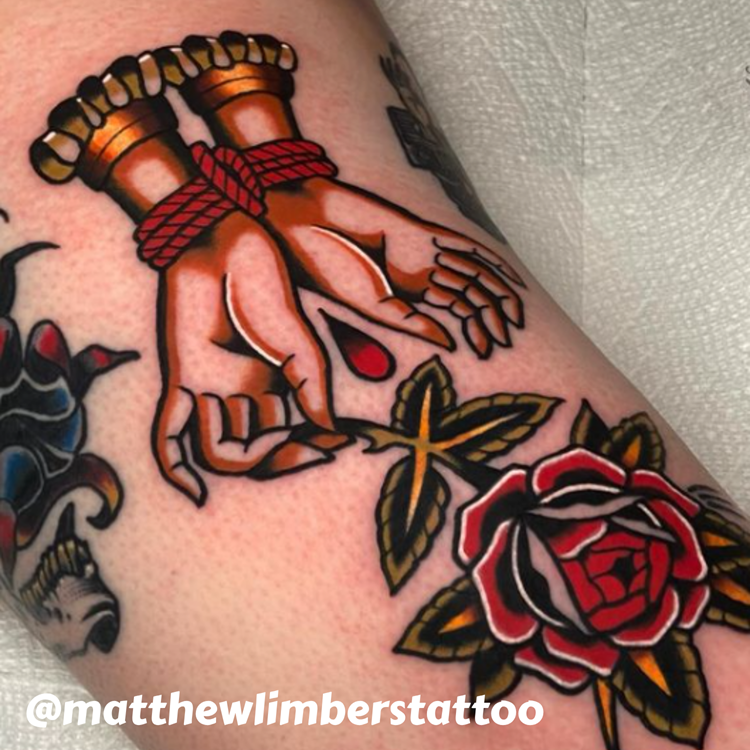
The classic color tattoo style, often associated with traditional or old-school tattooing, is one of the most iconic and enduring forms of body art. Emerging in the early 20th century, this style is characterized by bold black outlines, a limited but vibrant color palette, and simple yet impactful designs that have become synonymous with the tattooing world.
Origins
The roots of classic color tattoos trace back to the early sailors and maritime communities of the 19th century. These tattoos were heavily influenced by Polynesian tattoo traditions encountered by Western sailors during their travels. European sailors adapted these designs, creating simplified and symbolic tattoos that represented their journeys, superstitions, and experiences at sea.
By the early 20th century, the classic tattoo style was solidified by tattoo artists such as Sailor Jerry (Norman Collins) and other pioneers who began using electric tattoo machines. Sailor Jerry, in particular, refined the art form by integrating traditional motifs with bold colors and fine lines, drawing inspiration from Japanese art while staying true to Western traditions.
Key Characteristics
The hallmarks of the classic color tattoo style include:
- Bold Black Outlines: Strong outlines are used to give designs definition and durability, ensuring they remain visually striking over time.
- Simplified Designs: The style leans toward minimalistic and straightforward designs, often featuring iconic imagery like anchors, roses, swallows, daggers, hearts, and pin-up girls.
- Vibrant Color Palette: A limited but bold palette of reds, blues, greens, yellows, and blacks is central to the aesthetic, ensuring visibility and contrast even as tattoos age.
- Symbolism: Each design carries deep cultural or personal meaning. For example:
- Swallows: Represent safe return and loyalty.
- Anchors: Symbolize stability and hope.
- Roses: Indicate love and passion.
- Pin-Up Girls: Celebrate beauty, strength, and femininity.
Cultural Significance

In the early 1900s, tattoos were predominantly associated with sailors, soldiers, and marginalized communities. Classic color tattoos often served as markers of identity, affiliation, or personal beliefs. They became more mainstream during the mid-20th century, especially during World War II, when servicemen used tattoos to commemorate their service, display patriotism, or carry talismans of good luck.
The rebellious and countercultural nature of tattoos also resonated with subcultures such as bikers and punk rockers in the 1960s and 1970s. The bold and unapologetic aesthetic of classic color tattoos fit perfectly with these groups’ ethos.
Modern Revival
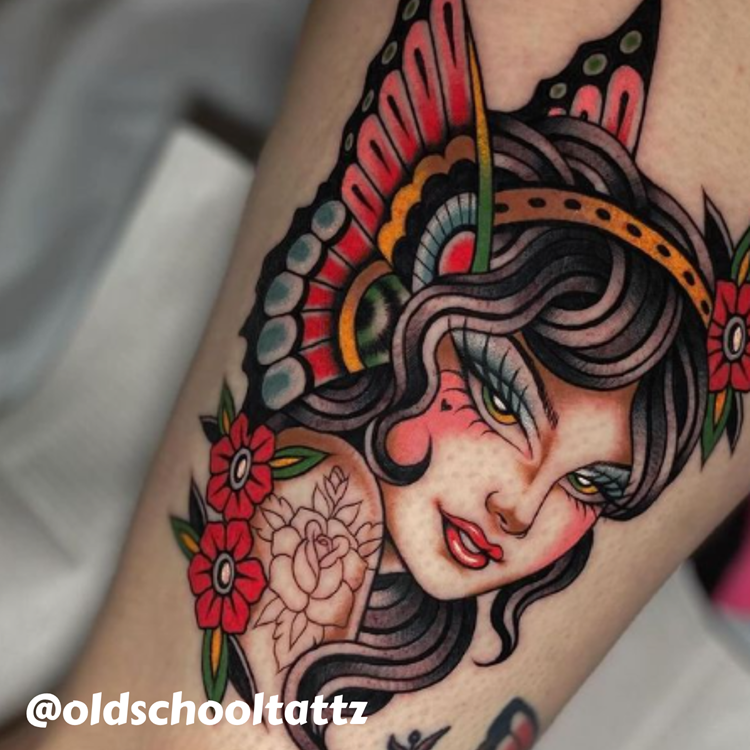
In the 21st century, the classic color tattoo style remains a staple in the tattoo world. Modern artists have revitalized and expanded upon traditional designs while respecting their roots. Many tattoo enthusiasts appreciate the timeless appeal and durability of the style, which looks sharp even after decades.
Contemporary tattooers often blend classic motifs with other styles or reinterpret them with modern techniques, such as smoother shading and expanded color palettes. However, the essence of bold outlines, vibrant colors, and symbolic imagery persists.
Legacy and Influence
Classic color tattooing laid the foundation for many other tattoo styles. Its influence is seen in neo-traditional tattooing, which incorporates more detailed shading and complex compositions, and even in contemporary styles like minimalist or illustrative tattoos. As one of the most recognizable forms of body art, the classic color tattoo style represents both the history of tattooing and its continued evolution.
Whether seen on the arms of sailors from the early 1900s or adorning the bodies of tattoo enthusiasts today, the classic color tattoo remains a bold and enduring expression of art and identity.