Japanese Lettering Tattoo Style: A Detailed History and Background
Introduction
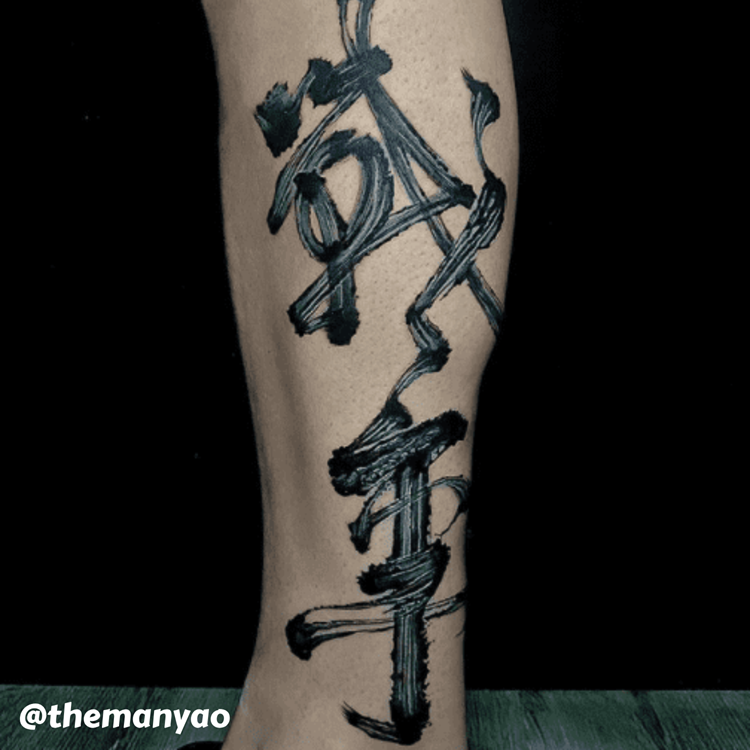
Japanese lettering tattoos, often referred to as “kanji tattoos,” are a popular tattoo style that employs the use of Japanese characters (kanji, hiragana, katakana) as a form of body art. These tattoos can range from single words to entire sentences, each carrying deep meaning or representing personal philosophies. The history and cultural significance of Japanese lettering tattoos are deeply rooted in Japan’s rich tradition of writing and visual art.
Origins of Japanese Lettering in Tattoos
Japanese tattooing, or “irezumi,” has a long history, with its roots stretching back over 1,000 years. The practice of tattooing in Japan was originally linked to spiritual beliefs, rituals, and protection. The earliest documented use of tattoos in Japan can be traced to the Jomon period (around 10,000 BCE to 300 BCE), where tattoos were believed to have protective powers. However, it was not until the Edo period (1603-1868) that tattoos became more formalized as an art form, particularly with the rise of ukiyo-e (woodblock prints), which influenced tattoo artists.
During the Edo period, tattoos were primarily reserved for specific social classes and were used as a mark of status, as punishment, or for religious purposes. The widespread use of Japanese characters in tattoos likely became more prominent during this time, as Japanese writing systems—kanji, hiragana, and katakana—were evolving and becoming more widely used.

The Role of Kanji, Hiragana, and Katakana
The three primary Japanese scripts used in lettering tattoos are kanji, hiragana, and katakana.
- Kanji: Kanji are logographic characters derived from Chinese characters. They are often used in tattoos due to their deep, symbolic meanings. Each kanji character represents a concept, word, or idea. Kanji tattoos are particularly popular because each symbol carries a weight of meaning, making them ideal for expressing personal philosophies, virtues, or desires.
- Hiragana: Hiragana is a phonetic script used for native Japanese words. While hiragana tattoos are less common than kanji tattoos, they are sometimes used to convey a more fluid or feminine aesthetic. They can be used in tattoos to write full sentences or words that might not have a direct kanji counterpart.
- Katakana: Katakana is primarily used for foreign loanwords or onomatopoeic sounds. Katakana tattoos are often chosen for their aesthetic appeal, especially for modern designs or tattoos incorporating foreign terms or names. Although katakana is less traditionally symbolic, it can still carry deep significance depending on the context.
Evolution of Japanese Lettering Tattoos
The use of Japanese lettering in tattoos began to gain traction outside of Japan in the 20th century, particularly after the Western world’s fascination with Japanese culture grew. By the 1980s and 1990s, Japanese tattoos became mainstream in the United States and Europe, often appearing in magazines and on the bodies of celebrities. The allure of these tattoos was not only due to the elegant and intricate designs but also the fascination with Japanese philosophy, spirituality, and mysticism.
In Western culture, Japanese lettering tattoos are often associated with personal meanings or messages, such as strength, peace, love, or courage. However, due to a lack of understanding of the nuances and intricacies of the Japanese language, many tattoos are sometimes misinterpreted or even mistranslated. This has led to some controversy and cautionary tales about the importance of consulting a native speaker or a professional tattoo artist familiar with the Japanese language before choosing a kanji or phrase for a tattoo.
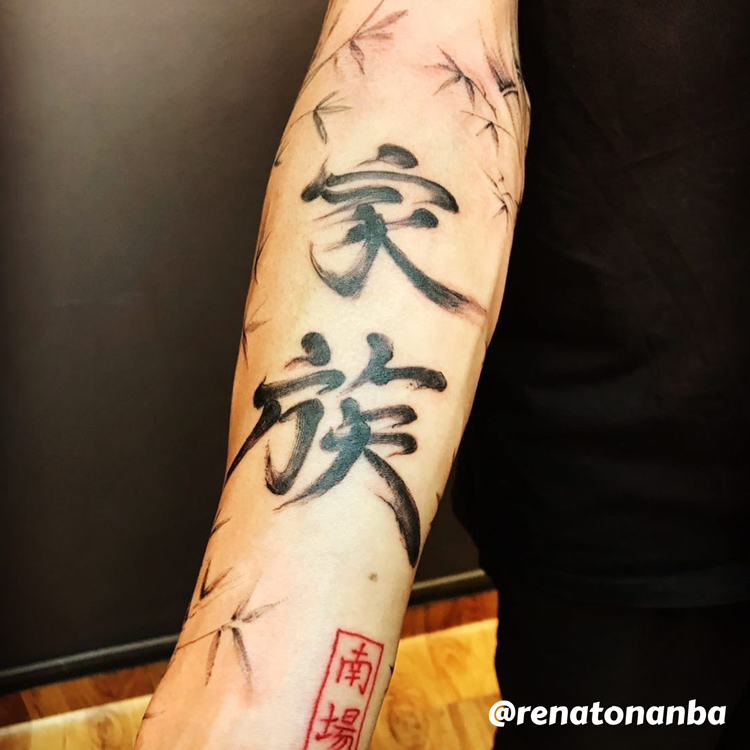
Cultural Significance and Symbolism
Japanese lettering tattoos are not just aesthetic; they carry profound cultural significance. The Japanese language is deeply tied to cultural values, and many of the words or characters used in tattoos reflect important elements of Japanese philosophy. For example:
- Kanji for strength (“力”, “力強さ”) or “warrior” (“武士”) are common choices for tattoos, symbolizing endurance and courage.
- Kanji for love (“愛”) or “harmony” (“和”) express deep emotional or philosophical sentiments.
- Kanji for peace (“平和”) and tranquility (“静”) reflect the Japanese focus on balance and inner peace.
In traditional Japanese tattoos, the characters are often incorporated into larger pieces that depict elements of nature, such as koi fish, cherry blossoms, or dragons, further enhancing the meaning behind the tattoo.
Modern Trends and Popularity
In the modern tattoo scene, Japanese lettering tattoos have evolved to become more diverse. While kanji tattoos remain the most popular form, the influence of anime, pop culture, and the increasing global interest in Japanese aesthetics has expanded the style. Many individuals now choose Japanese lettering to represent personal attributes, aspirations, or to commemorate important life events. For example, tattoos with characters representing “family,” “freedom,” or “new beginnings” have become popular in Western culture.
However, cultural appropriation and authenticity have become points of concern for some within the tattoo community. Many Japanese people view the use of their written language in tattoos by non-Japanese individuals as a form of misrepresentation if not done with proper respect and understanding. There is a growing awareness around the importance of getting these tattoos accurately, with careful attention to the meanings behind the symbols and their correct usage.
Common Mistakes and Considerations
Because of the complex nature of the Japanese writing system, there are several considerations and common mistakes to avoid:
- Mistranslation: One of the most common issues is the mistranslation of kanji, leading to tattoos that have different meanings from what was intended. Consulting a fluent Japanese speaker or a tattoo artist familiar with Japanese is essential to avoid errors.
- Context and Placement: Some kanji may have multiple meanings depending on their context, so it is crucial to understand how the character is used in Japanese culture before incorporating it into a tattoo. Additionally, placement plays a role in how these tattoos are perceived; some people prefer their tattoos to be discrete, while others may display them proudly.
- Cultural Sensitivity: There is a fine line between appreciation and appropriation of another culture’s symbols. Respect for the meaning behind the tattoos and understanding their significance to the people who created them is critical.
Conclusion
Japanese lettering tattoos are a stunning form of body art that combine language, culture, and personal expression. The use of kanji, hiragana, and katakana allows for a rich diversity of meaning and design, making these tattoos a powerful way for individuals to express their identity, philosophy, and values. However, with their growing popularity outside Japan, it is important to approach the art form with respect, care, and knowledge to avoid cultural missteps. Whether for aesthetic reasons or deep personal meaning, Japanese lettering tattoos continue to be a significant part of the global tattoo culture.