Memorial tattoos are a deeply personal form of body art designed to honor and commemorate someone or something significant in the wearer’s life. Whether for a lost loved one, a beloved pet, or an important event, memorial tattoos carry emotional weight and are a way of preserving memories permanently on the skin. These tattoos often symbolize the enduring connection between the wearer and the person or event being memorialized.

Origins and Early History
The practice of using tattoos to commemorate loved ones can be traced back to ancient cultures. In many societies, tattoos served as a form of remembrance, whether to mark the passing of a significant individual or to honor ancestors.
- Ancient Egypt: Tattoos in ancient Egypt, dating back as early as 2000 BCE, were often used for protection or to ensure safe passage to the afterlife. In some instances, tattoos were placed on mummies, and some ancient Egyptian women bore tattoos that may have been symbols of fertility, motherhood, or a connection to the gods, with some possibly linked to deceased loved ones or ancestors.
- Roman Empire: Romans practiced tattooing to signify both military rank and as a form of punishment. However, tattoos also had personal meanings in the form of symbols that commemorated loved ones, such as a deceased partner or parent. These tattoos were less about art and more about expressing personal emotions or affiliations.
- Polynesian and Pacific Islands: In these cultures, tattoos had significant spiritual and familial meaning. While not necessarily memorial in the modern sense, tattoos were deeply tied to ancestry and honoring family lines. The tradition of tattooing in Polynesia is centered around the importance of lineage and preserving family history, which can be considered a form of memorialization.
- Japan: In Japan, tattoos have a rich cultural history, particularly with the Irezumi style, which began around the Edo period (1603–1868). While many traditional Japanese tattoos depicted gods, demons, and mythical creatures, memorial tattoos also emerged in Japan, especially among family members honoring the loss of loved ones, such as through the practice of tattooing the name of a deceased family member or symbolically representing death and mourning.
Modern Memorial Tattoos
While the historical roots of memorial tattoos trace back to ancient times, the specific practice of memorial tattoos as we know it today began to evolve with modern tattoo culture, particularly in the 19th and 20th centuries, as tattooing gained popularity among broader social groups, including those in the United States and Europe.
- Victorian Era
During the Victorian era in Europe (1837–1901), mourning rituals were an important part of life, and many families, especially the upper class, used mourning jewelry, clothing, and even locks of hair to commemorate lost loved ones. A common practice was to have a loved one’s hair made into jewelry or keepsakes, and similarly, some individuals had memorial tattoos. It became fashionable, especially among the upper class, to have a deceased loved one’s name or image inked on the body, often accompanied by symbols like skulls, angels, and urns—common motifs in Victorian mourning culture. The tattoos were discreet and often located on parts of the body that were not immediately visible. - World War I and World War II
World Wars I and II played a significant role in the popularization of memorial tattoos. Soldiers who fought in the wars would often get tattoos to commemorate their fallen comrades or as a reminder of their survival. These tattoos frequently took the form of names, dates, or other symbols that represented the soldier’s connection to their fellow soldiers or to a loved one back home. This period saw an increase in military tattoos, many of which carried personal memorial meanings.
In addition, after the wars, many individuals sought to remember lost family members or close friends with memorial tattoos. For instance, after World War II, tattoos of fallen soldiers became common among the grieving families who lost loved ones during the conflict.
- The Rise of Memorial Tattoos in Contemporary Society
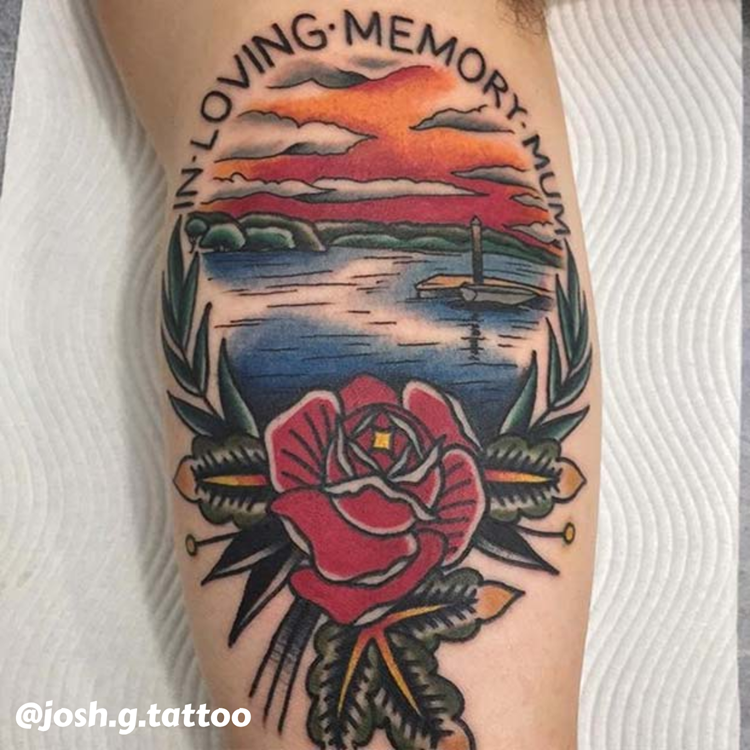
In the late 20th and early 21st centuries, memorial tattoos have become a popular and widely accepted practice in Western culture. Memorial tattoos can range from simple, small symbols or names to elaborate, detailed artwork. Memorial tattoos often serve to celebrate a person’s life rather than just mourning their death. In fact, it has become common to commemorate not just those who have passed away, but also pets, major life events, or struggles that have shaped the person.
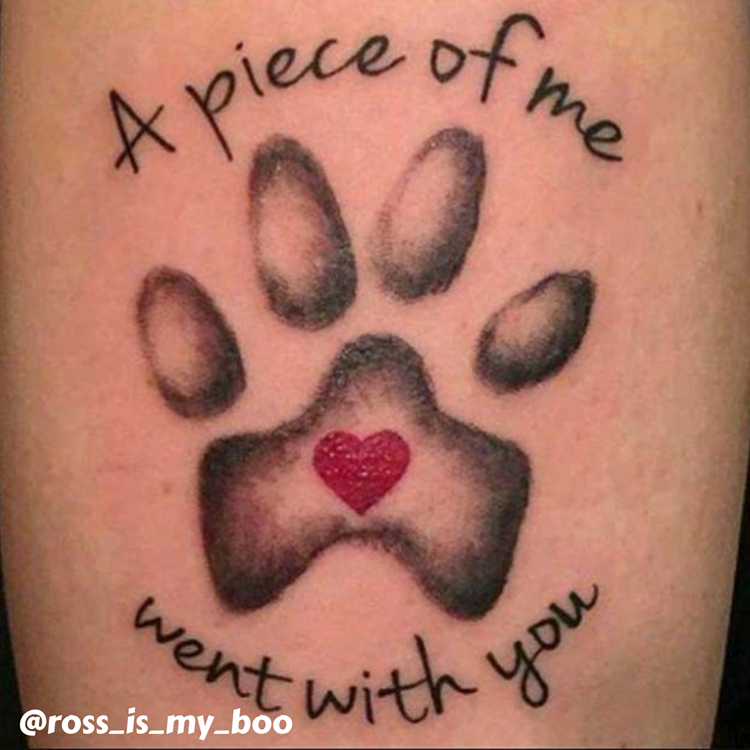
A key aspect of the modern memorial tattoo is the customization. Unlike older styles, memorial tattoos today often feature imagery that was personally significant to the deceased or to the person wearing the tattoo. Common designs include portraits of the deceased, their initials, favorite quotes, religious symbols, animals (especially pets), and nature motifs like roses, doves, or angels.
- The Impact of Social Media and Popular Culture
With the rise of social media and the global spread of tattoo culture, memorial tattoos have been widely shared and celebrated in online communities. The ability to instantly share photos of tattoos and the stories behind them has helped to normalize the practice and make it more accessible to people of all walks of life.
Additionally, pop culture has influenced the design of memorial tattoos. The idea of honoring someone through tattoos has been explored in films, television shows, and music, which has contributed to an increased demand for memorial tattoos in the general public.
Common Memorial Tattoo Themes and Symbols
- Portraits: A detailed image of a loved one, often realistic, memorializing their face.
- Dates: Birth and death dates of the person being memorialized, often incorporated into larger designs.
- Symbols of Faith or Religion: Crosses, angels, and religious icons are frequently used, especially in Christian memorial tattoos.
- Floral and Nature Themes: Roses, lilies, and other flowers are used to represent beauty, life, and remembrance.
- Animals: Pets or animals that were meaningful to the person who has passed are often represented.
- Incorporation of Personal Items: Items that had personal significance, such as a favorite object, a watch, or a piece of jewelry, might be tattooed to keep the memory alive.
- Heartfelt Quotes or Sayings: Words that the deceased person lived by, or sayings that resonate with the person getting the tattoo, are common choices.
Conclusion
Memorial tattoos have a rich history, evolving from ancient symbols of loss and remembrance into the deeply personal, custom pieces of art that we see today. Whether they commemorate a loved one, a pet, a life event, or an important cause, these tattoos serve as powerful symbols of love, loss, and continuity. With advancements in tattoo artistry, memorial tattoos have grown more intricate and varied, allowing individuals to express their emotions and honor the memory of those they have lost in a way that is uniquely personal.