Old School, also known as Traditional, is one of the most enduring and recognizable tattoo styles. Its roots trace back to the early 20th century, particularly in the United States, and it has remained a dominant force in the tattoo industry.
Origins: Early Roots of Tattooing
Tattooing has a long history, with evidence of body art dating back to ancient cultures around the world, such as the Egyptians, Greeks, and Polynesians. However, the Old School style, as it is understood today, developed in the West, particularly among sailors, soldiers, and other working-class communities. These tattoos were often simple, bold, and symbolic, used as a form of personal expression, luck charms, or rites of passage.
The late 19th century saw the emergence of Western-style tattooing. This was when tattoos first began to transition from cultural practices to popular adornments among American sailors. It was also during this time that Samuel O’Reilly, a tattoo artist in New York, patented the first electric tattoo machine in 1891, which revolutionized the tattooing process, making tattoos more accessible and faster to create.
Key Elements of the Old School Style
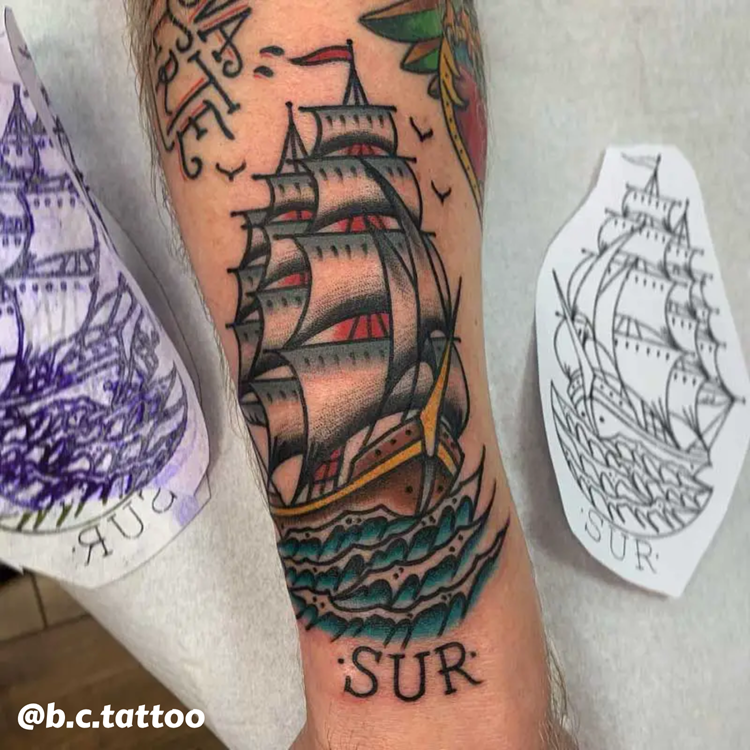
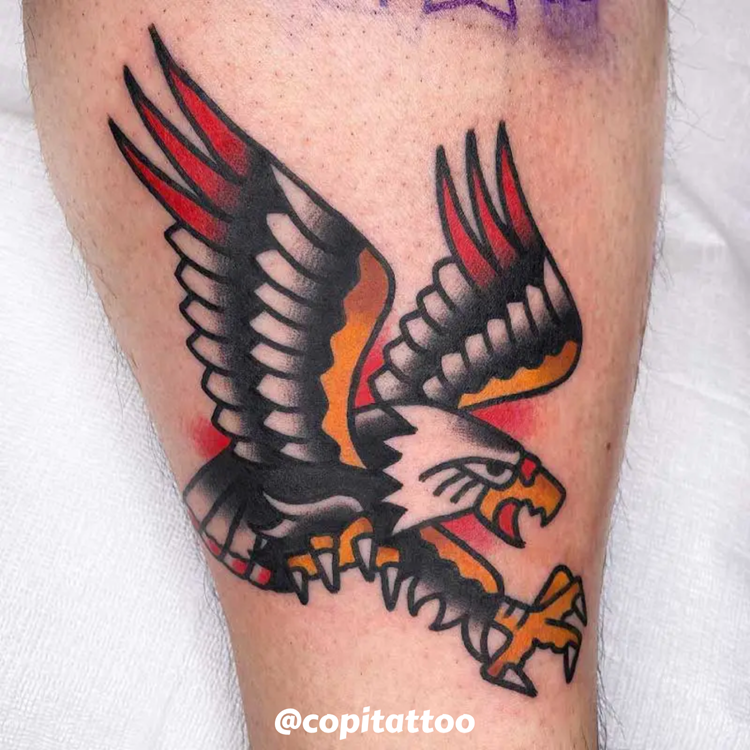
The Old School tattoo style is characterized by its bold, black outlines, a limited but vivid color palette (often primary colors), and a focus on iconic, easily recognizable imagery. Traditional tattoos typically feature stylized images of anchors, swallows, roses, skulls, eagles, daggers, and hearts, often imbued with meaning connected to love, loss, and loyalty.
- Bold Outlines: One of the defining features of Old School tattoos is their use of thick, black lines. This technique ensures that tattoos remain clear and legible over time, even as the ink fades.
- Limited Color Palette: The color palette is typically simple, with an emphasis on primary colors like red, green, yellow, and blue. Shading is often minimal, with colors used to highlight important elements and add depth without complicating the design.
- Iconic Imagery: Old School tattoos often feature designs that carry personal or symbolic meaning. Common themes include nautical imagery (such as anchors, ships, and swallows), Americana, and symbolic representations of life and death (such as skulls and hearts).

The Rise of Old School Tattooing (1920s–1950s)
The Old School tattoo style truly flourished during the 1920s to 1950s, largely thanks to the efforts of Norman “Sailor Jerry” Collins, a tattoo artist who is considered one of the most influential figures in the development of American Traditional tattooing. Collins was based in Honolulu, Hawaii, and became known for his bold, colorful designs and refined techniques. His tattoos, which often featured nautical themes, roses, and pin-up girls, set the standard for the style.
Collins also helped standardize the tools and techniques used by tattoo artists, pushing for the use of sterilized needles and ink that was safer for the skin. His work was widely popular among sailors, military men, and the working class, as tattoos were often seen as a rite of passage, a symbol of toughness, and a marker of identity.
During this era, tattoos were deeply embedded in the military culture. Many servicemen, particularly those in the Navy, used tattoos to symbolize their experiences and affiliations. Common motifs included anchors (symbolizing hope and stability), eagles (patriotism), and skulls (representing death or survival).
Cultural Influence and Symbols
Many symbols that define the Old School style come from the social, cultural, and military contexts in which tattoos were popular. For example:
- Swallows: Swallows are iconic Old School tattoos, often seen on sailors. They symbolize a safe return home, with the belief that if a sailor got a swallow tattoo, they would always find their way back to shore.
- Anchors: Representing stability and a sailor’s life at sea, anchors were one of the most popular Old School motifs.
- Hearts and Daggers: These tattoos often symbolize love and sacrifice. The heart with a dagger through it is a representation of a broken heart or love lost, a theme that resonates with many individuals.
- Skulls: A common image in Old School tattoos, skulls are often associated with death, danger, and rebellion.
Decline and Revival
By the 1960s and 1970s, tattooing began to face a decline in mainstream popularity due to shifting social norms and the rise of new tattoo styles. The advent of more detailed, fine-line tattoos and the influence of pop culture led to a diversification of tattoo techniques. The Old School style, with its bold, simple designs, started to be viewed as outdated by some in the tattoo community.
However, by the 1990s, the Old School tattoo style experienced a resurgence. The rise of tattoo culture in mainstream fashion, as well as the popularity of tattooed celebrities and the growing acceptance of body art in general, helped bring the Old School aesthetic back into the limelight. Artists began to adapt the classic style to suit contemporary tastes, and a new generation of tattoo enthusiasts rediscovered its timeless appeal.
Modern Influence
Today, the Old School style remains a cornerstone of tattoo art. It is often viewed as both a tribute to the history of tattooing and a timeless aesthetic that continues to appeal to both seasoned tattoo collectors and newcomers. Modern artists often mix Old School elements with other styles, creating hybrid designs that maintain the bold outlines and primary colors of the original style while incorporating new ideas.
The influence of Old School tattooing can be seen in a variety of contemporary trends, such as the resurgence of interest in classic Americana, pin-up art, and retro-style graphics. It is also recognized as an art form that emphasizes craftsmanship and tradition, which has led to its ongoing popularity in tattoo culture.
Conclusion
The Old School tattoo style is a testament to the rich history of tattooing, blending cultural traditions with artistic expression. From its roots in the sailor culture of the early 20th century to its resurgence in the modern tattoo scene, Old School tattoos continue to embody the timeless values of boldness, loyalty, and personal meaning. With its distinct aesthetic and enduring popularity, Old School tattoos remain an iconic part of the tattoo world.