Explore the origins, enduring motifs, and key pioneers of Traditional tattooing, a distinctive style characterized by bold black lines and iconic imagery. This art form, born from a fusion of cultures and shaped by historical events, has become an integral part of American arts and culture.

The History of Traditional Tattooing
Traditional tattooing traces its roots to various cultures and countries. Early adopters, such as sailors and soldiers, embraced tattoos as symbols of protection and reminders of loved ones. The tradition also served the practical purpose of identifying individuals in the unfortunate event of their loss in war. The extensive travels of these individuals exposed them to diverse styles and ideas, contributing to the evolution of traditional tattoo motifs.
The invention of the electric tattoo machine by Samuel O’Reilly in 1891 marked a pivotal moment in the industry. This innovation, derived from Thomas Edison’s electric pen, laid the foundation for modern tattoo machines. The commercialization of tattoo flash sheets by Lew Alberts in 1905 fueled the demand for new designs, leading to the widespread adoption of Traditional Americana aesthetics.
Style and Technique
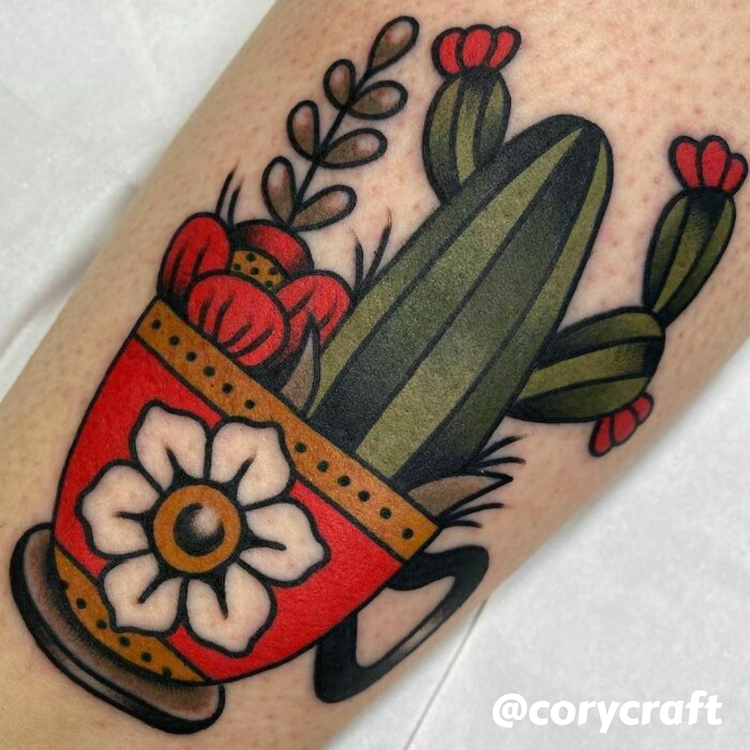
The visual style of Traditional tattooing is characterized by clean, bold black outlines and the use of solid pigments. The technique of using bold black lines originated from tribal tattoo traditions, notably among Polynesian and Native American peoples. The enduring quality of carbon-based ink contributes to the longevity and clarity of traditional tattoo designs. Limited color options, primarily red, yellow, and green, were a result of the available pigments during the early stages of tattooing.
Flash and Motifs
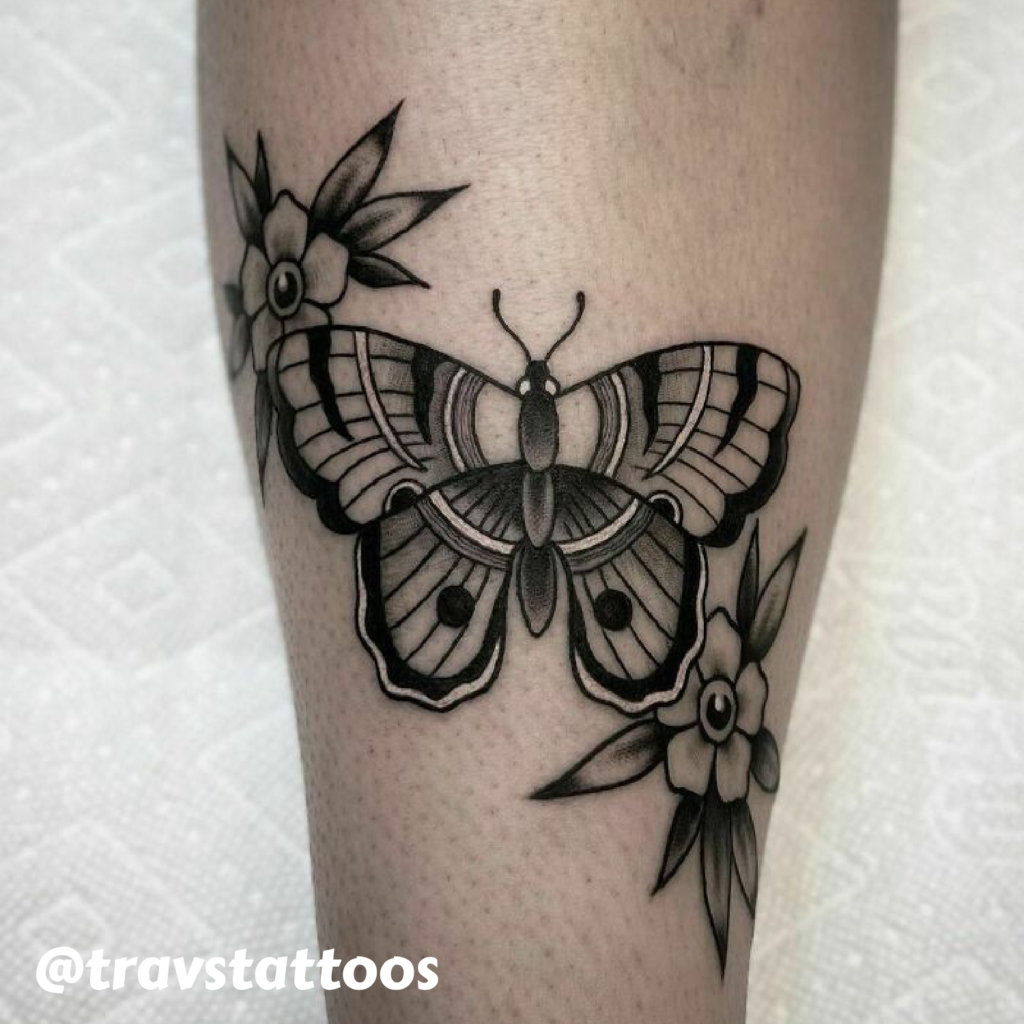
The publication of ‘Tattoo: Secrets of a Strange Art’ by Albert Parry in 1933 played a crucial role in documenting and popularizing the growing tattoo industry. Tattooists faced overwhelming demand for new designs, leading to the exchange of tattoo flash sheets through mail-order catalogs. These flash sheets preserved motifs ranging from religious iconography to symbols of courage and strength, as well as captivating pin-up designs.
Founding Artists
Several influential figures contributed to the preservation and popularization of Traditional tattooing. Icons like Sailor Jerry, Mildred Hull, Don Ed Hardy, Bert Grimm, Lyle Tuttle, Maud Wagner, Amund Dietzel, Jonathan Shaw, Huck Spaulding, and “Shanghai” Kate Hellenbrand played key roles. Sailor Jerry and Bert Grimm are regarded as the “first wave” forefathers, while others like Don Ed Hardy and Lyle Tuttle influenced societal acceptance and awareness of the art form. Don Ed Hardy’s clothing line further brought Traditional tattooing into mainstream fashion, leaving an indelible mark on the movement.
Today
The American Traditional tattoo style remains timeless and continues to be a popular choice. A simple search on the topic reveals a wealth of designs still referenced in countless studios worldwide. The legacy of Traditional tattooing persists, embodying a classic art form that transcends trends and stands the test of time.