Anime tattoos draw their inspiration from Japanese animation (anime) and manga, capturing iconic characters, scenes, or symbolic elements in ways that celebrate the art and storytelling unique to this genre. This style has grown in popularity internationally, thanks to the rise of anime and manga as mainstream entertainment. These tattoos often feature vibrant colors, dynamic poses, and expressive faces to convey the emotional depth and aesthetic of the anime art style. Below is a detailed background and history of how anime tattoos emerged and evolved.
Origins of Anime Tattoo Style
The roots of anime tattoos lie in the broader context of Japanese art and culture. Japanese tattoos have a long and rich history that dates back centuries, traditionally characterized by intricate designs that often depict scenes from Japanese folklore, mythology, and nature. In the Edo period (1603–1868), traditional Japanese tattooing, or irezumi, grew in popularity, utilizing woodblock print techniques. This traditional style of tattooing influenced modern tattooing across the globe.
Anime as a genre, however, didn’t become prominent until the 20th century. Post-World War II Japan saw an explosion in creative media, with manga and anime emerging as key forms of expression. Influential works like Astro Boy by Osamu Tezuka in the 1960s popularized manga and anime with unique visual language—large expressive eyes, exaggerated facial expressions, and stylized characters—that would become the genre’s defining features. As the genre grew in popularity, anime began to influence various forms of art, including tattooing.
International Appeal and the Growth of Anime Tattoos
In the 1980s and 1990s, anime started to gain international traction with shows like Dragon Ball, Sailor Moon, and Akira captivating audiences outside Japan. These series were often some people’s first introductions to Japanese culture and storytelling, sparking a global fascination with anime. By the early 2000s, internet accessibility allowed fans around the world to easily consume anime and manga, further spreading Japanese pop culture globally.
As anime grew in popularity, tattoo enthusiasts began to incorporate anime characters, scenes, and motifs into their body art. Fans wanted a way to show their passion for beloved characters and series, leading to a gradual but steady rise in anime tattoos as a distinct style. Tattoo artists, particularly those familiar with anime aesthetics, began adapting their techniques to create tattoos that mirrored the high-contrast shading, vivid colors, and detailed line work typical of anime and manga art.
Evolution of the Anime Tattoo Style

Anime tattoos have evolved to incorporate various elements, including:
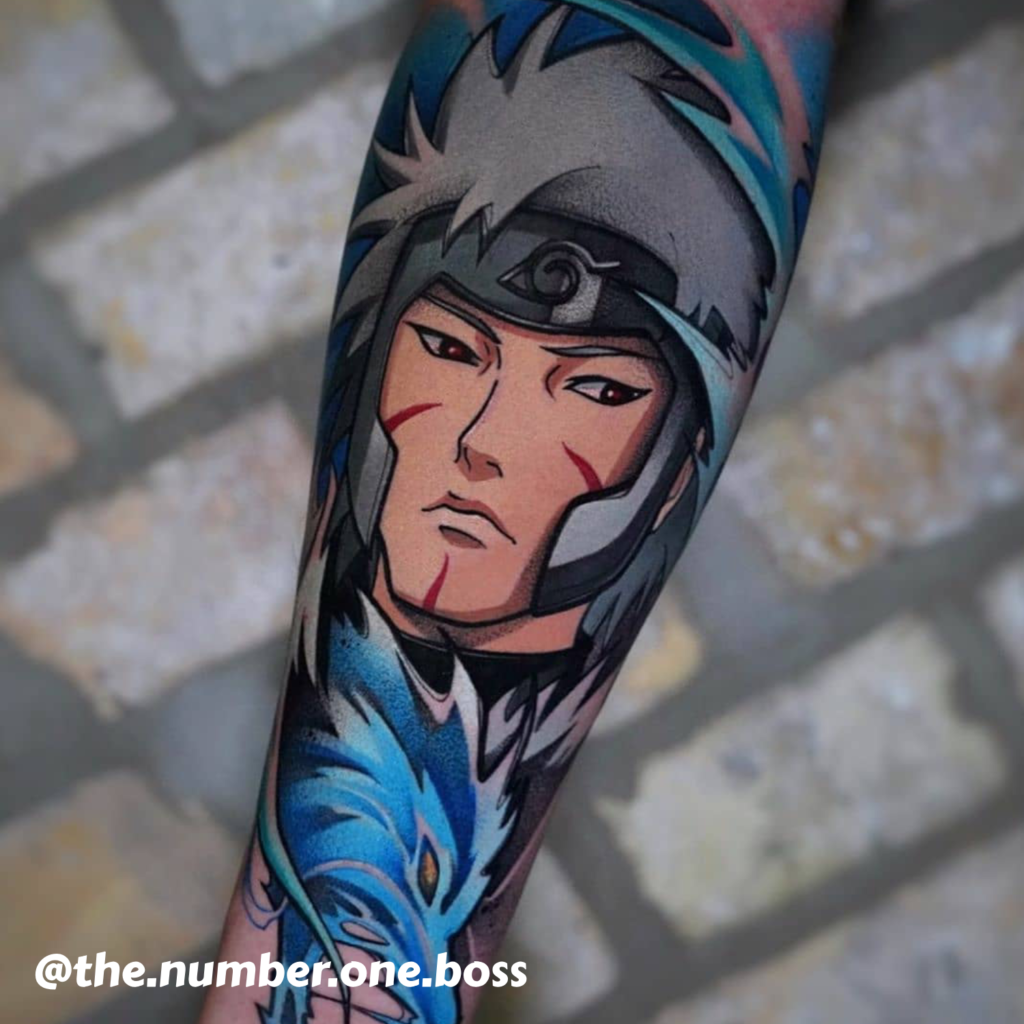
Color Palettes: Anime tattoos often use vibrant colors to mimic the cell shading and color dynamics of anime series. This effect gives tattoos a cartoonish but impactful visual.

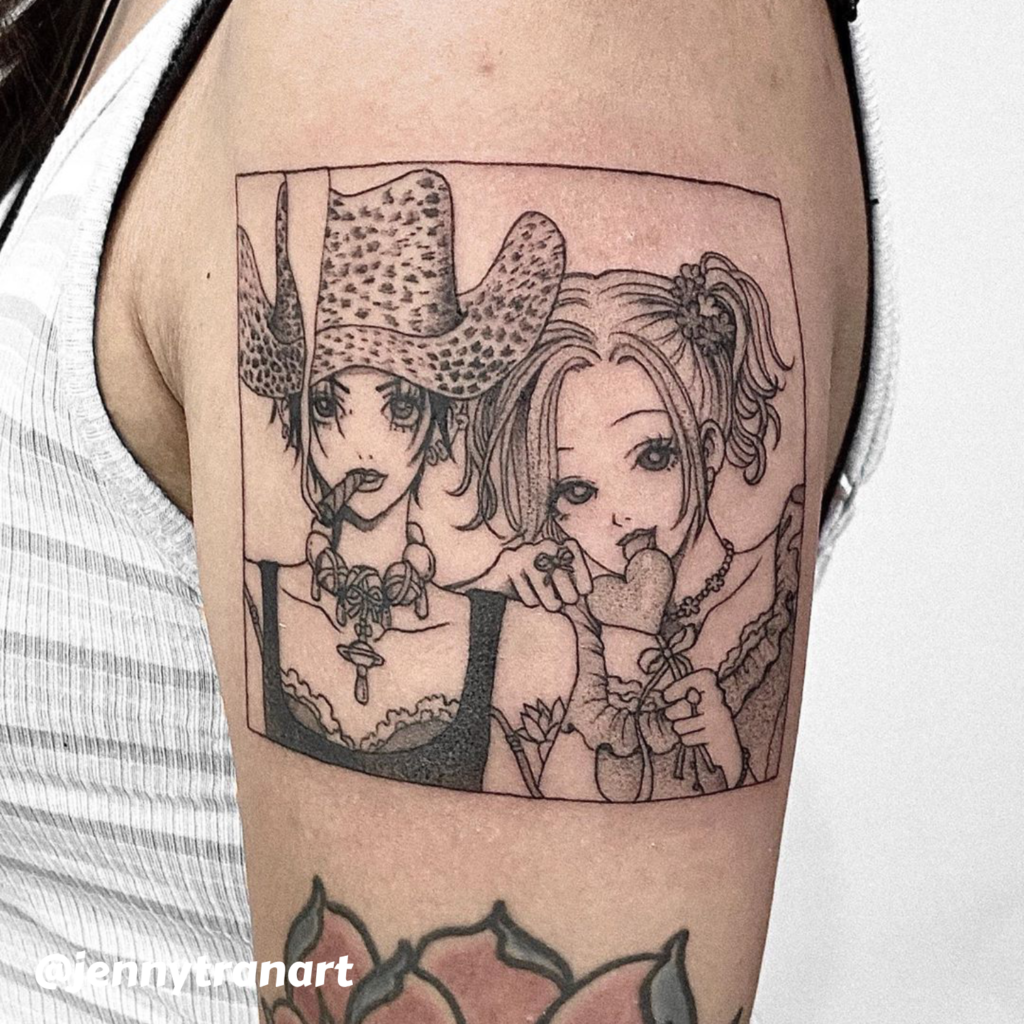
Bold Line Work and Outlines: Like many traditional manga styles, anime tattoos often rely on bold lines to define characters and scenes, imitating the thick outlines seen in manga panels.

Shading Techniques: Tattoo artists have developed shading techniques that mimic the shadowing style found in anime, creating contrast and depth. These techniques bring the tattoo to life, making characters look dynamic and animated.

Iconography: Many anime tattoos feature iconic elements like sakura blossoms, Japanese kanji, and supernatural creatures associated with Japanese culture.

Stylized Characters: Whether realistic or exaggerated, anime tattoos often focus on characters, their unique hairstyles, expressive eyes, and signature outfits, bringing elements of the series into a stylized and recognizable form.
Subgenres and Types of Anime Tattoos
Anime tattoos have branched out into various subgenres, each with unique features:
Traditional Anime Tattoos: These tattoos stay true to the style of the original anime, with colors and designs mimicking the anime art as closely as possible.

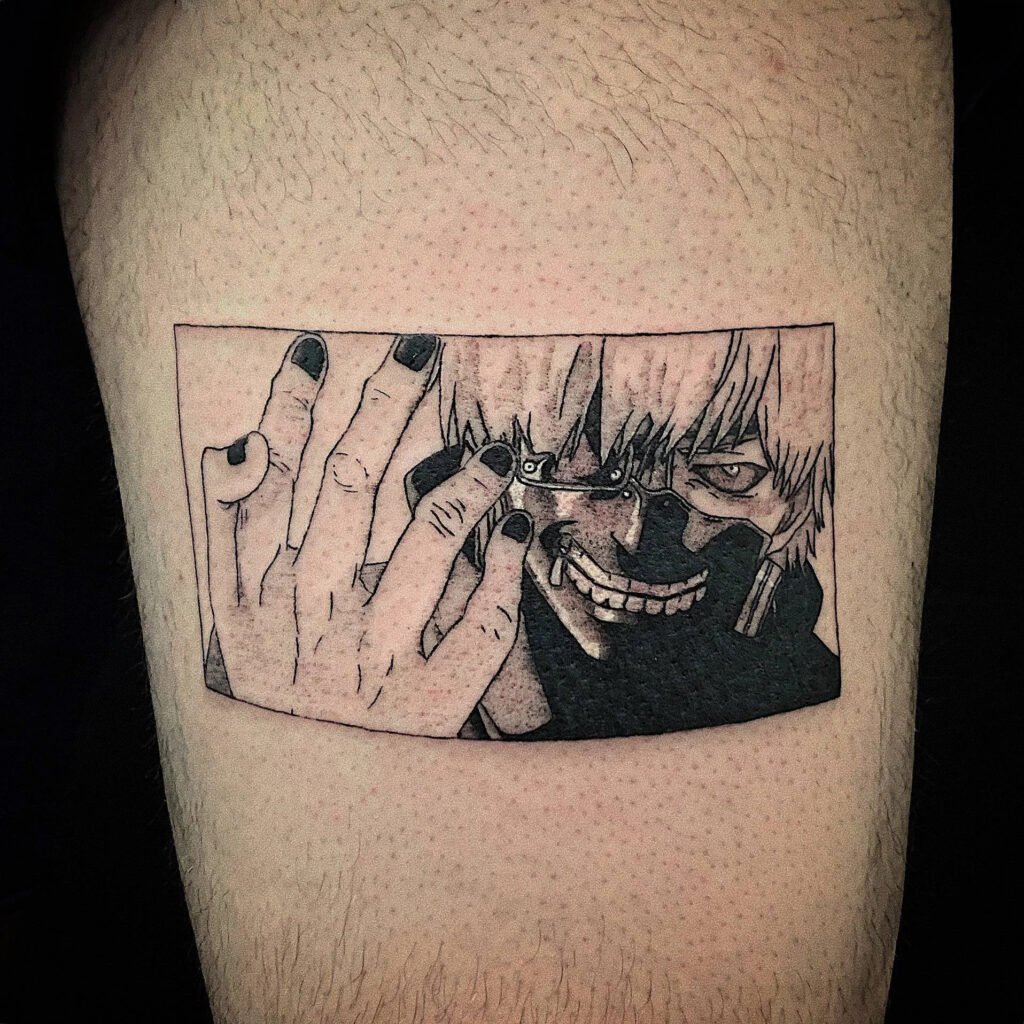
Black and Gray Anime Tattoos: While most anime tattoos are colorful, some artists use grayscale techniques for a more subdued effect. This style can be more intricate, focusing on the line work and shading without color.

Minimalist Anime Tattoos: With subtle line work and sometimes no color, these tattoos capture specific details or symbols from anime in a simple, refined way. Fans often get minimalist tattoos of smaller details like character faces, logos, or quotes.

Hyper-realistic Anime Tattoos: Some artists blend anime with realistic tattooing techniques, enhancing the detail and lifelike quality of the tattoo. These tattoos tend to be larger pieces that showcase meticulous detailing, especially in shading and textures.

Crossover Tattoos: Artists may also blend anime with other art styles, like traditional Japanese tattooing or American comic-book styles, creating a fusion that celebrates both genres.
Cultural Significance and Popularity Today
Anime tattoos have become a significant form of self-expression, allowing fans to display a part of their identity and personal connection to specific stories, characters, or themes. The acceptance of tattoos in Japan is complex due to cultural stigma associated with irezumi (Japanese tattoos) and their historical association with the yakuza (Japanese organized crime). However, with the modern anime tattoo trend, a new generation of fans and artists is helping to reshape the perception of tattoos in Japan, especially those that reference beloved characters rather than traditional criminal associations.
Globally, the anime tattoo trend is only gaining momentum. In countries like the United States, Brazil, and the Philippines, where anime fandoms are strong, there are numerous tattoo conventions dedicated to anime and Japanese art, connecting fans and artists who specialize in this niche. Social media has also played a significant role, with platforms like Instagram allowing artists to showcase intricate anime tattoos and reach a global audience.
Conclusion
Anime tattoos are a reflection of the genre’s global influence, blending traditional tattoo artistry with modern pop culture. With a history rooted in both traditional Japanese art and contemporary animation, anime tattoos have emerged as a popular style that celebrates storytelling, character development, and personal expression. This unique fusion of cultures and artistic techniques makes anime tattoos a captivating and meaningful form of body art that continues to evolve with the fandom.