Tattoo clients seek ink in a variety of places, from their tongues to their eyelids. One of the most extreme locations for a tattoo, however, is the eyeball itself.
An eyeball tattoo is an uncommon and highly dangerous form of cosmetic body modification. While we strongly advise against attempting this procedure without extensive tattooing experience, it’s important to understand the risks and proper techniques involved.
What This Article Covers:
How eyeball tattoos are performed
The type of ink used in scleral tattoos
How Does an Eyeball Tattoo Work?
Eyeball tattoos involve injecting ink into the sclera, the white part of the eye. The sclera is a tough, fibrous tissue that protects the eye. Unlike traditional tattoos, which create designs on the skin, scleral tattoos aim to dye the whites of the eyes a different color, making this one of the most extreme body modifications.
Medical Scleral Tattoos
In some cases, ophthalmological surgeons perform scleral tattoos to correct discoloration in the eye due to damage or medical conditions. However, these procedures are rare due to the high risk of complications.
Eyeball Tattoo Procedure
A scleral tattoo involves injecting water-based tattoo ink between two eye layers: the sclera and the conjunctiva, a thin membrane covering the white of the eye. The ink spreads from a few carefully placed injection points.
Unlike traditional tattoos that require multiple needle punctures, scleral tattoos only need a few precise injections. However, the ink must be deposited correctly between the eye layers for the procedure to be successful.
Are Scleral Tattoos Permanent?
Yes. Unlike skin tattoos, which may fade over time, scleral tattoos are permanent and last a lifetime.
Can You Remove an Eyeball Tattoo?
Unlike skin tattoos, which can be removed with lasers, there is currently no reliable method for removing ink from the eyeball. Some research suggests that removal may be theoretically possible, but it would likely be costly, painful, and dangerous.
Are Eye Tattoos Safe?
While scleral tattooing can be done safely, the procedure is highly complex and should not be attempted without extensive formal training in eye anatomy. Even Luna Cobra, the artist who pioneered eyeball tattoos, has stated that he does not believe they are safe for general practice.
Ideally, an eye tattoo should only be performed by an ophthalmological surgeon. Tattoo artists without medical training should not attempt this procedure.
A Notable Case of an Eye Tattoo Gone Wrong
In 2017, Canadian model Catt Gallinger experienced severe complications after having purple ink injected into her eye. The artist used ink that was too thick and created too few injection points, leading to swelling, leakage, and partial blindness.
Risks of Eyeball Tattoos
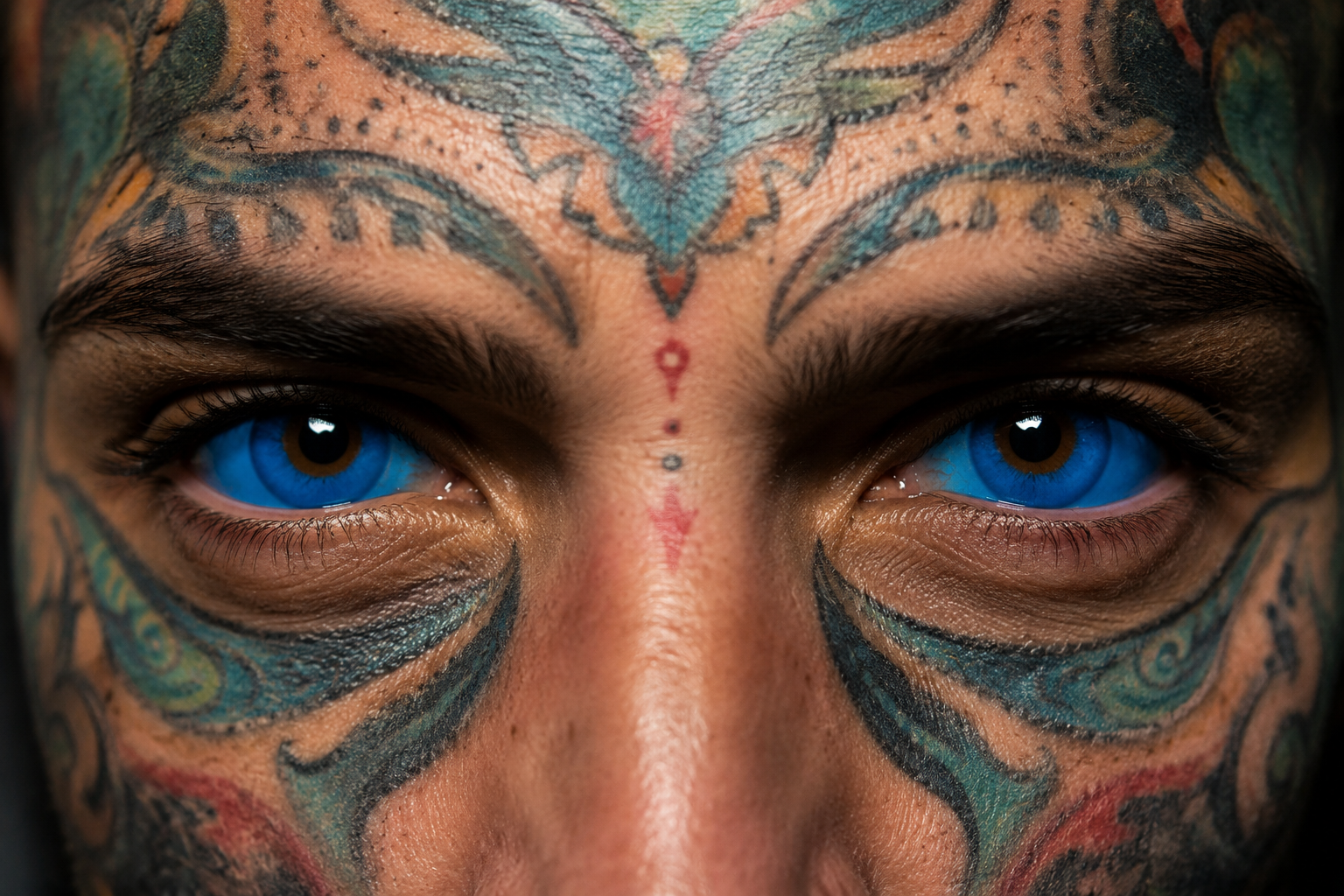
Compared to traditional tattoos, scleral tattoos carry significantly higher risks. The procedure requires surgical precision to avoid severe complications. Errors such as injecting the needle too deep, using excessive dye, or applying overly thick ink can cause immediate and irreversible damage.
Dr. Paul Freund and other experts have studied the risks associated with scleral tattooing, which include:
Decreased vision or complete blindness
Detached retinas
Eye infections at the injection sites
Persistent swelling
Sensitivity to light
A constant sensation of having a foreign object in the eye
Complete eye loss (requiring surgical removal)
Bloodborne infections
Sympathetic ophthalmia (inflammatory response in both eyes)
Delayed diagnosis of other eye conditions due to reduced visibility
Due to these severe risks, medical professionals strongly recommend safer alternatives, such as colored contact lenses.
A Case of Permanent Damage from Scleral Tattooing
Scientific studies on scleral tattoos are limited. However, ophthalmologists Paul Freund and Mark Greve reported a case in which a person had to undergo eye removal surgery due to pain and infection following an eyeball tattoo.
Talking to Clients About Eyeball Tattoos
Most clients who inquire about eyeball tattoos are simply curious. However, if someone expresses genuine interest in undergoing the procedure, it’s crucial to inform them of the following:
Only a medical professional should perform this procedure.
Complications can lead to severe infections, vision impairment, and permanent damage.
The ink is irreversible and does not fade over time.
Suggesting alternatives, such as cosmetic contact lenses, can be helpful. Costume contacts allow individuals to change their eye color safely, with the only ongoing costs being the lenses and maintenance solution.
Final Thoughts
Given the extreme risks associated with eyeball tattoos, they should only be performed by medical professionals. If a client is considering this procedure, it’s essential to educate them on the potential dangers and safer alternatives available.