Chicano Tattoos Roots Cultural References and Artists
This guide delves into Chicano tattoos, exploring their historical roots, cultural references, and the artists who have mastered this unique craft. Chicano tattooing reflects a powerful philosophical and political heritage, influenced by the prison culture that emerged in the 1940s due to xenophobic societal forces on migrant peoples. Inmates, using homemade tattoo machines and limited ink, depicted scenes from gang life, beautiful women, lowriders, lettering, and Catholic iconography, establishing the mainstays of Chicano tattoos.
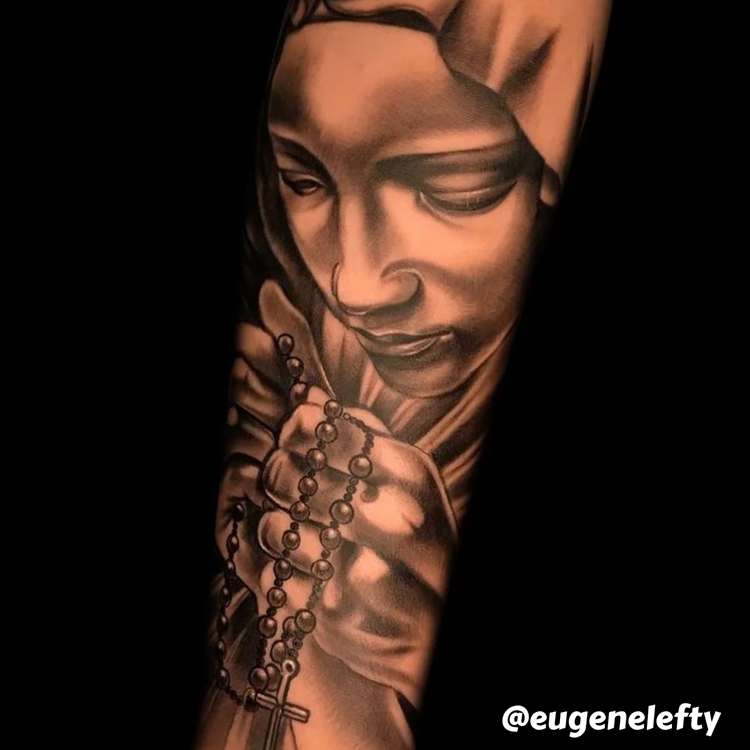
The historical roots trace back to Mexican artists like Frida Kahlo and Diego Rivera, as well as the Mexican Revolution, Pachuco culture, and the Chicano community’s struggle against societal norms. The culture references in Chicano tattooing are deeply personal, embodying the experiences of migrants facing racism and discrimination. The iconography includes symbols like Payasas, roses, Virgin Mary, and rosaries, each with significant cultural meaning.
Chicano tattoo artists, such as Chuco Moreno, Freddy Negrete, Chuey Quintanar, and Tamara Santibañez, are celebrated for their mastery of the aesthetic. The Chicano tattoo style, with its illustrative approach and smooth grey tones, has evolved from pencil and pen drawings influenced by Mexican artists depicting political strife, familial representations, and daily life.
The guide also explores the evolution of Chicano tattooing after the decline of the Pachuco subculture, highlighting the influence of life behind bars and the transition to iconic Chicano tattoos. The intricate iconography, deeply rooted in ethnic turmoil and progressive independence, may be challenging for outsiders to grasp, but it has become an integral part of West Coast culture.

The meaning behind Chicano tattoo designs, such as Lowriders, pit bulls, dice, and decks of cards, reflects the Los Angeles lifestyle. The guide emphasizes the significance of religious symbols like Sacred hearts, Virgin Mary’s, Sugar Skulls, and praying hands borrowed from Roman Catholicism. Chicano tattooing continues to resonate with people due to its connection to their history and culture.
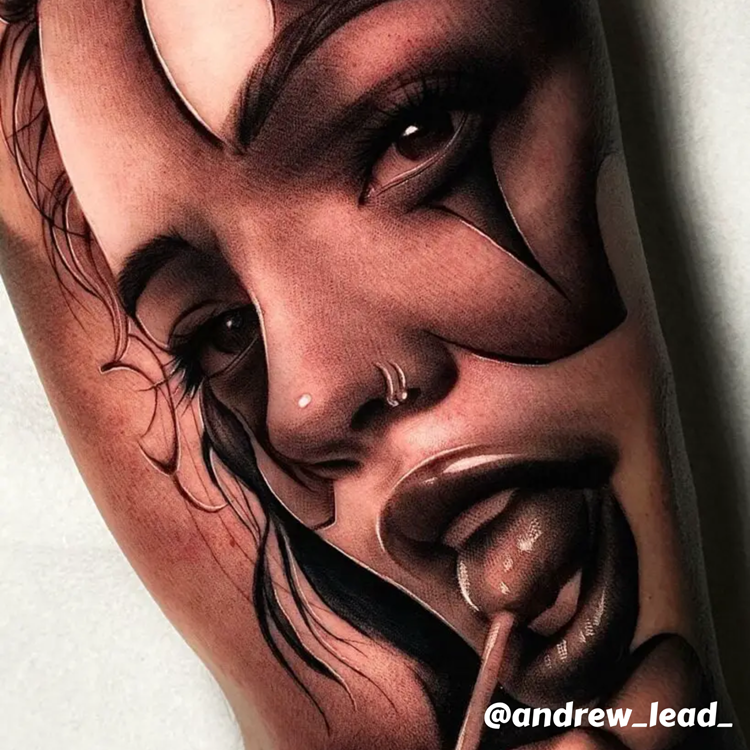
Many Chicano tattoo artists are part of the Chicano community, contributing to the preservation and spread of this essential part of tattoo culture. The artists employ various styles, including black and gray realism, illustrative techniques, and Chicano-influenced American Traditional, showcasing the diversity within the Chicano tattoo style. Overall, Chicano tattooing, with its rich history and cultural depth, remains a powerful and awe-inspiring form of artistic expression.