Background and History of Henna Tattoos
Henna tattoos, also known as mehndi, are a form of body art that has been practiced for thousands of years across multiple cultures and regions. Unlike permanent tattoos, henna tattoos are temporary, created by applying a paste made from the powdered leaves of the henna plant (Lawsonia inermis), which stains the skin with a reddish-brown hue.
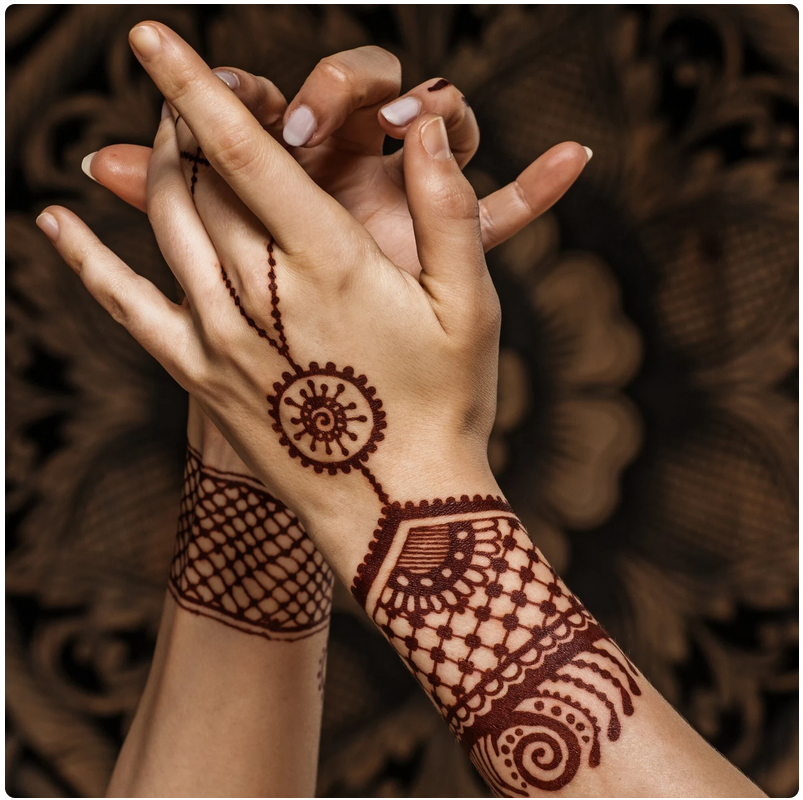
Origins and Ancient Use
The origins of henna can be traced back over 5,000 years, with the earliest known uses found in ancient Egypt, where it was used to dye hair, nails, and even the fingers and toes of mummies as part of burial rituals. Some archaeological findings suggest henna was used in pre-dynastic Egypt (around 3200 BCE).
Henna’s use spread throughout:
North Africa
The Middle East
South Asia
Parts of Southeast Asia
As trade routes expanded, so did the cultural practices involving henna.
Cultural Significance and Symbolism
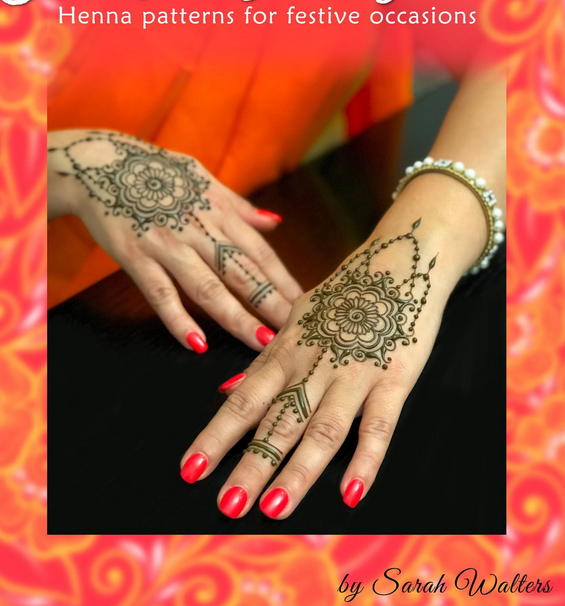
Henna has played an important role in cultural ceremonies, especially in weddings, births, and religious festivals. It is often applied in intricate patterns on the hands, feet, or other parts of the body and is associated with blessing, luck, joy, and protection.
In Indian culture, henna is an essential part of wedding rituals. The bride’s hands and feet are adorned with elaborate designs, believed to bring good fortune and deepen love and affection in marriage.
In Moroccan and North African cultures, henna is used in both ceremonial and medicinal contexts. It is believed to ward off the “evil eye” and provide spiritual protection.
In Middle Eastern traditions, henna is also used for celebration, often during Eid or other festive occasions.
Henna in Modern Times
Today, henna tattoos have gained global popularity not just as a cultural tradition, but also as a form of body art and self-expression. Common in festivals, fashion events, and beach destinations, henna has become a popular alternative for people who want temporary, non-invasive tattoos.
Modern henna artists often blend traditional motifs—such as paisleys, mandalas, and floral patterns—with contemporary styles, adapting the art for broader appeal. Henna is also used in cosmetics, such as natural hair dye.
However, it’s important to distinguish natural henna from “black henna,” which may contain harmful chemicals like para-phenylenediamine (PPD). Natural henna is reddish-brown and safe, while black henna can cause severe allergic reactions and is often discouraged by dermatologists.
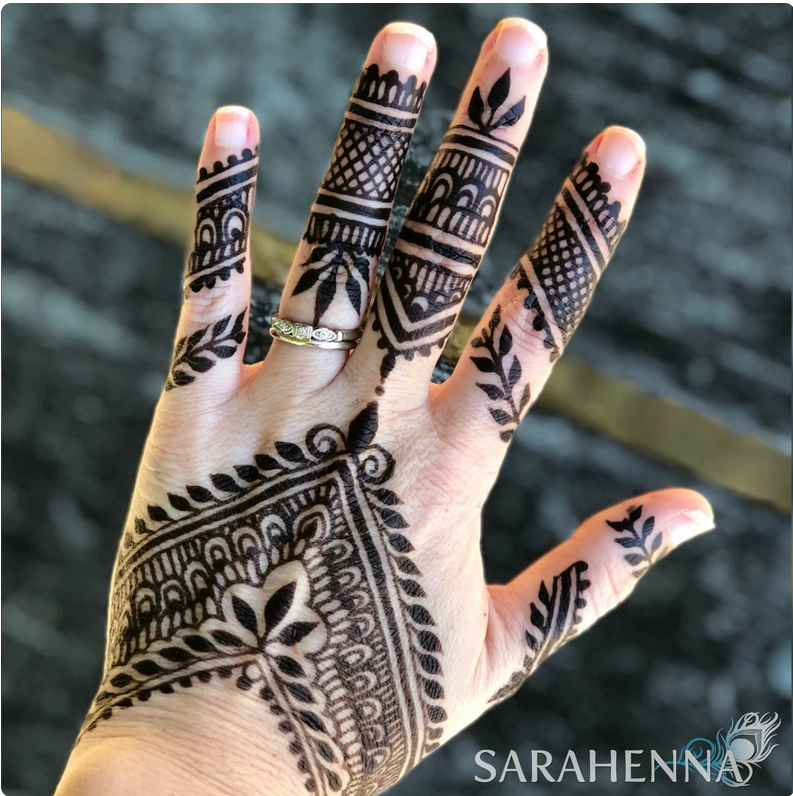
Henna tattoos represent a beautiful intersection of art, culture, and tradition. From ancient rituals to modern body art, henna continues to captivate people around the world. Its temporary nature, intricate beauty, and deep cultural roots make it a unique and enduring form of expression.