Is Tattoo Ink Vegan? Safety, Ingredients, Pros and Cons
Switch to plant-based ink pigments with ease!
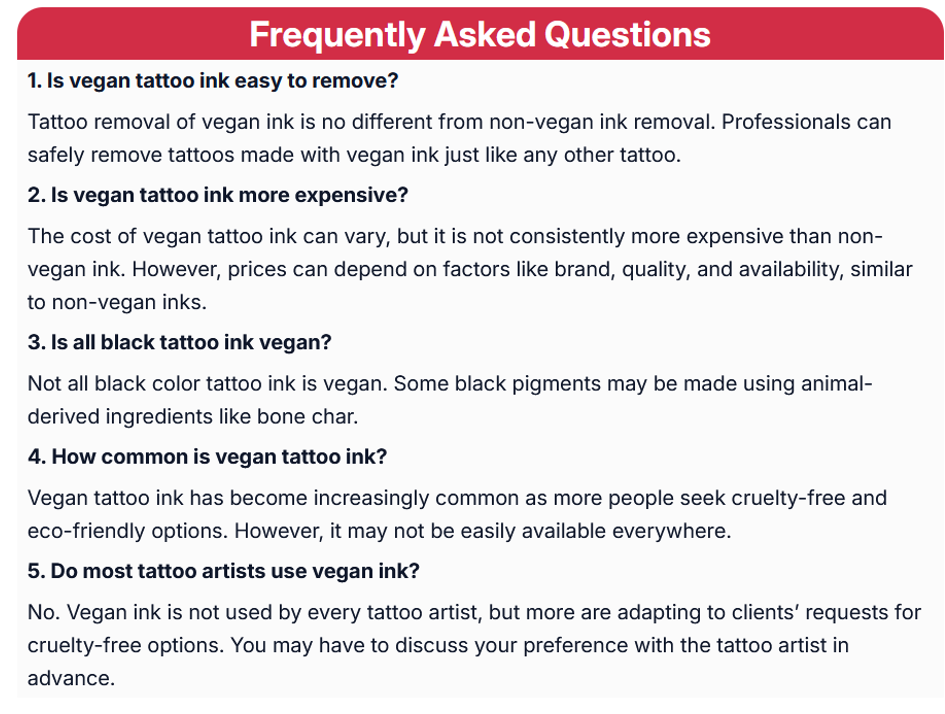
As the vegan lifestyle gains popularity, its influence now reaches the world of tattoos. From food and skincare to body art, more people are asking, “Is tattoo ink vegan?” The growing demand for ethical, plant-based alternatives has inspired the development of vegan tattoo inks—once made with animal byproducts, now crafted from natural, cruelty-free ingredients.
But how do these inks compare to traditional ones in terms of safety, performance, and longevity? In this guide, we’ll dive into what vegan tattoo ink is, explore its ingredients, and weigh the pros and cons.
Is Tattoo Ink Vegan?
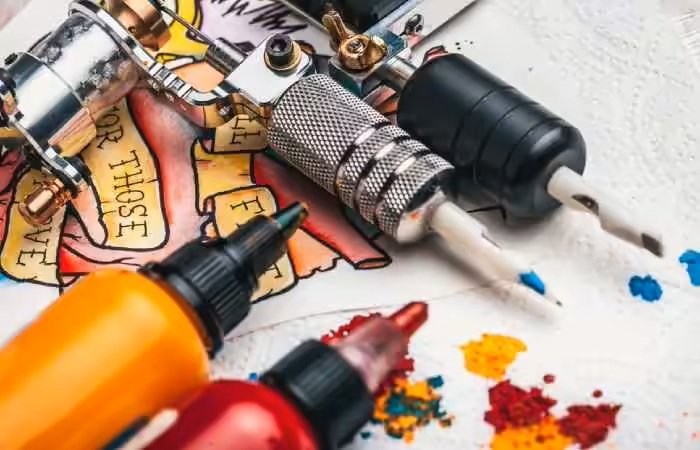
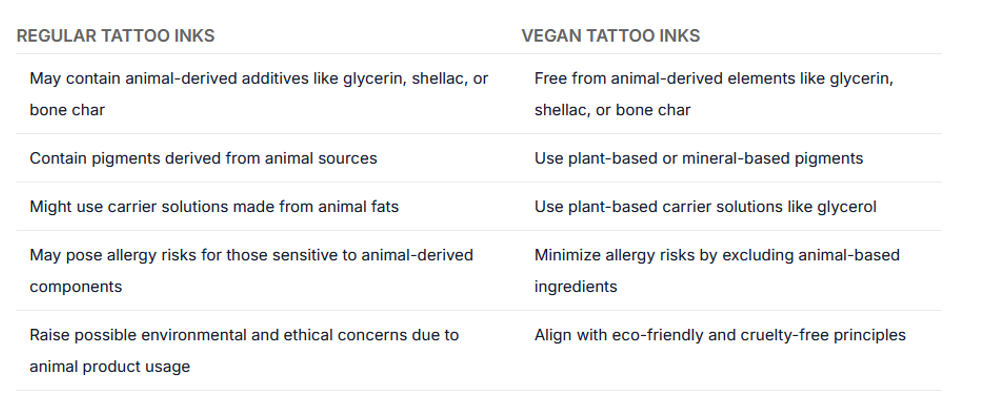
Tattoo ink can be either vegan or non-vegan, depending on its formulation. Non-vegan inks often include animal-derived ingredients such as:
✔ Glycerin (from animal fat)
✔ Bone char (used in black pigment)
✔ Gelatin or shellac (used as binders)
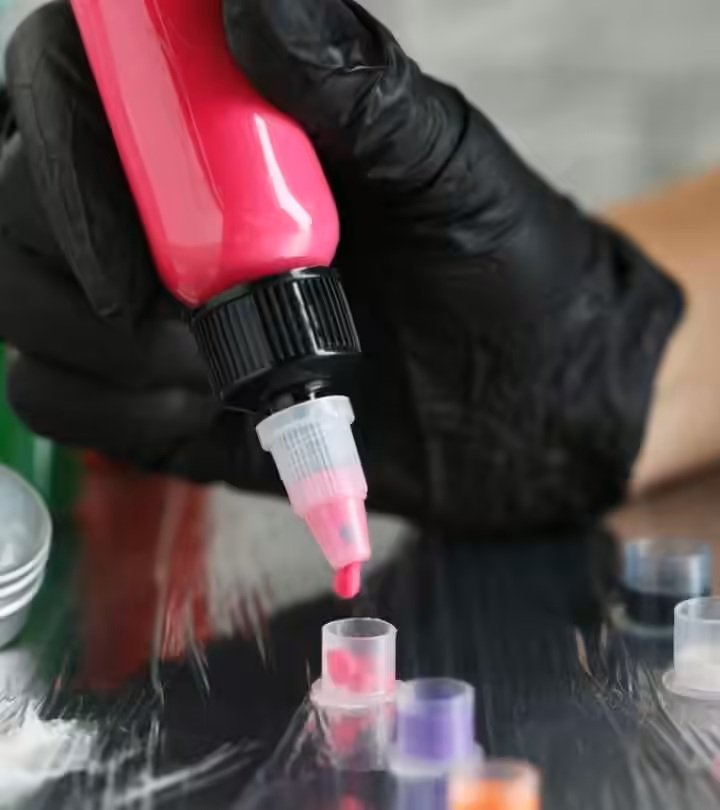
In contrast, vegan inks avoid all animal products, replacing them with plant-based or synthetic alternatives. For example, vegetable glycerin is used instead of animal glycerin.
Many people choose vegan inks for ethical reasons, to reduce allergic reactions, or to align with a cruelty-free lifestyle. However, not all tattoo studios carry vegan inks, so it’s wise to ask your artist ahead of time.
💡 It’s not just the ink that matters. Other tattoo materials—like stencil paper, razors, or aftercare balms—may also contain non-vegan elements like lanolin or beeswax. If you’re committed to a fully vegan tattoo experience, double-check every product involved in the process.
Key Takeaways:
🔹Non-vegan inks may contain ingredients like bone char or animal glycerin.
🔹Vegan inks rely on alternatives like vegetable glycerin and mineral pigments.
🔹A fully vegan tattoo experience should include vegan stencil papers and aftercare.
🔹Vegan ink can still cause allergic reactions, depending on skin type and formulation.
🔹Tattoo fading is more influenced by ink quality and aftercare than ink type.
What Is Vegan Tattoo Ink Made Of?
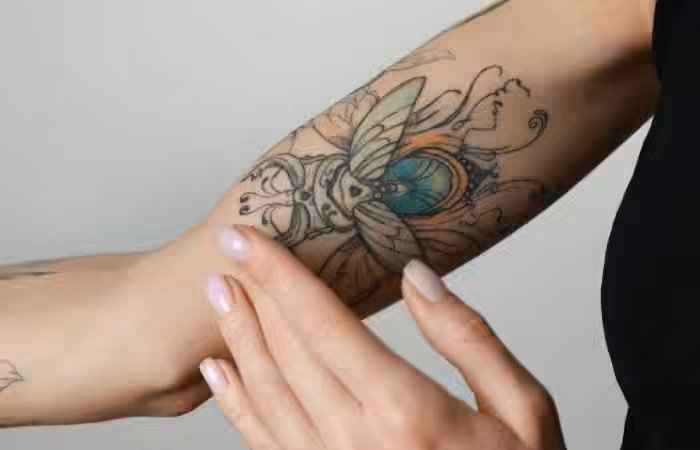
Vegan tattoo inks are free from any animal-derived substances. Instead, they use a blend of natural, mineral-based, or organic plant pigments. Here are some common substitutes used in vegan inks:
👉Vegetable glycerin instead of animal fat
👉Logwood extract instead of bone char for black ink
👉Alcohol or water as carriers
👉Organic pigments from plant or mineral sources
🖤 Fun Fact: Traditional Filipino batok tattoos were created using soot mixed with sugarcane juice, then fermented to produce a natural ink.
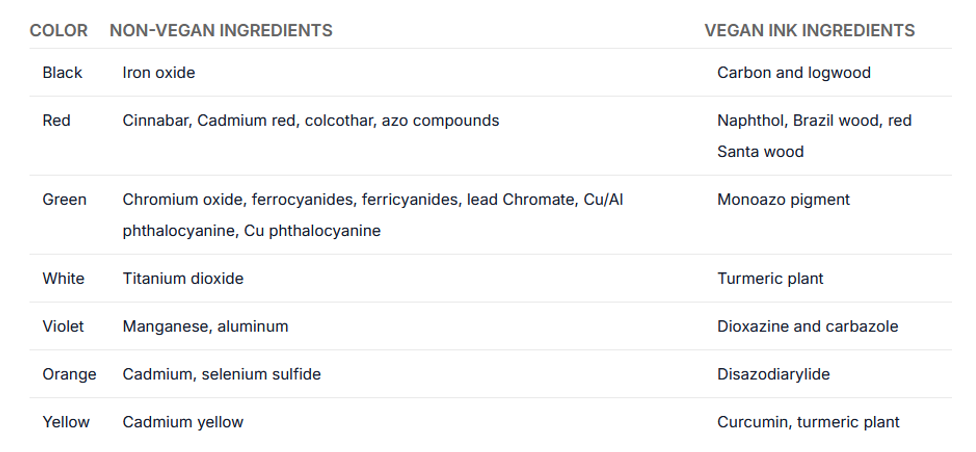
While vegan ingredients eliminate animal cruelty concerns, you might wonder: are they completely safe for everyone?
Are Vegan Tattoo Inks Safe?
In theory, plant-based ingredients reduce the risk of allergic reactions. But “natural” doesn’t always mean “safe.” Every tattoo ink—vegan or not—can cause adverse reactions depending on your skin and the ink’s composition.
For example:
Some vegan inks contain heavy metals like nickel, titanium, or cobalt, which can cause irritation or hypersensitivity (even if they’re labeled “vegan”).
Formaldehyde, a preservative sometimes used in tattoo ink, is a known allergen—even in vegan options.
⚠️ Tattoo inks are not heavily regulated. It’s crucial to research the brand and read ingredient labels before committing.
Vegan Tattoo Ink: Pros and Cons
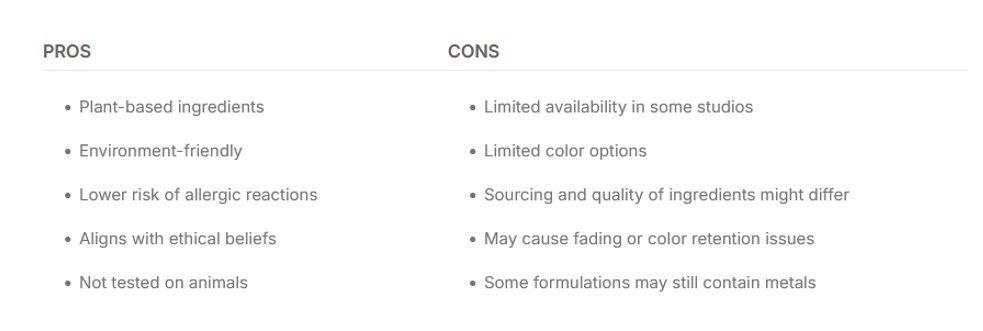
Let’s break down the advantages and disadvantages of choosing vegan tattoo ink:
✅ Pros:
🎯Cruelty-free and ethically sourced
🎯Free from animal byproducts (great for sensitive or allergy-prone skin)
🎯Eco-friendly manufacturing
🎯Often made with cleaner, plant-based carriers
❌ Cons:
🔴Not all studios offer vegan options
🔴Some vegan inks may still contain irritants like metals or preservatives
🔴Slightly limited color range depending on the brand
🔴“Vegan” does not always mean “non-toxic” or “hypoallergenic”
Still, for many tattoo lovers, the ethical peace of mind outweighs the potential drawbacks.
Vegan Tattoo Ink vs. Regular Tattoo Ink
The FDA regulates the ingredients in tattoo ink sold to consumers, but oversight is less strict for products used by professionals. This gap has led to inconsistent safety standards and hidden allergens in both traditional and vegan inks.
A Common Concern:
Does vegan tattoo ink fade faster?
**No, it doesn’t—**at least not because it’s vegan. Tattoo longevity depends more on:
🩸The quality of the ink brand
🩸Application technique
🩸Your skin type and immune response
🩸How well you care for your tattoo afterward
Tattoo Aftercare Tips (Especially for Vegan Ink
To make your ink last longer—vegan or not—follow these best practices:
✅ Use vegan aftercare products (look for coconut oil, jojoba oil, or shea butter).
❌ Avoid creams with animal-derived ingredients like lanolin or beeswax.
☀️ Protect your tattoo from direct sunlight to prevent fading.
🛁 Avoid swimming, hot tubs, and long soaks during the healing period to prevent infection.
Proper aftercare makes a huge difference in how your tattoo looks and heals, regardless of ink type.
Final Thoughts
The rise of vegan tattoo ink reflects a broader shift toward sustainable, ethical living. As more people seek cruelty-free products, the tattoo industry is responding with better vegan options.
But keep this in mind:
💡Vegan ink isn’t automatically safer or longer-lasting.
💡Allergic reactions can still happen due to metals or preservatives.
💡There’s limited oversight on tattoo ink ingredients, so always choose reputable studios and artists who can disclose what’s in their products.