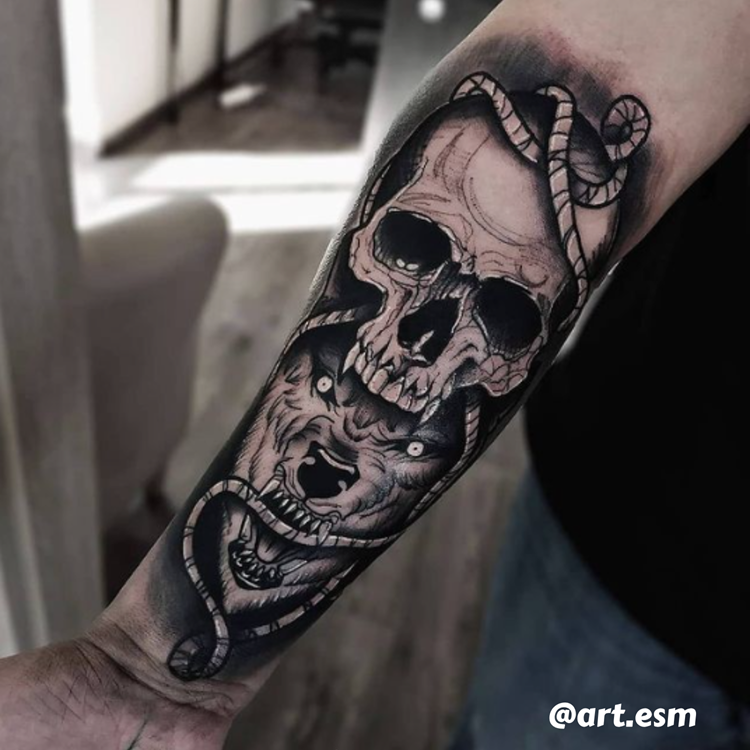
This guide explores Dark Art and Horror tattoos, which feature supernatural and spooky imagery in black and gray. Key points include:
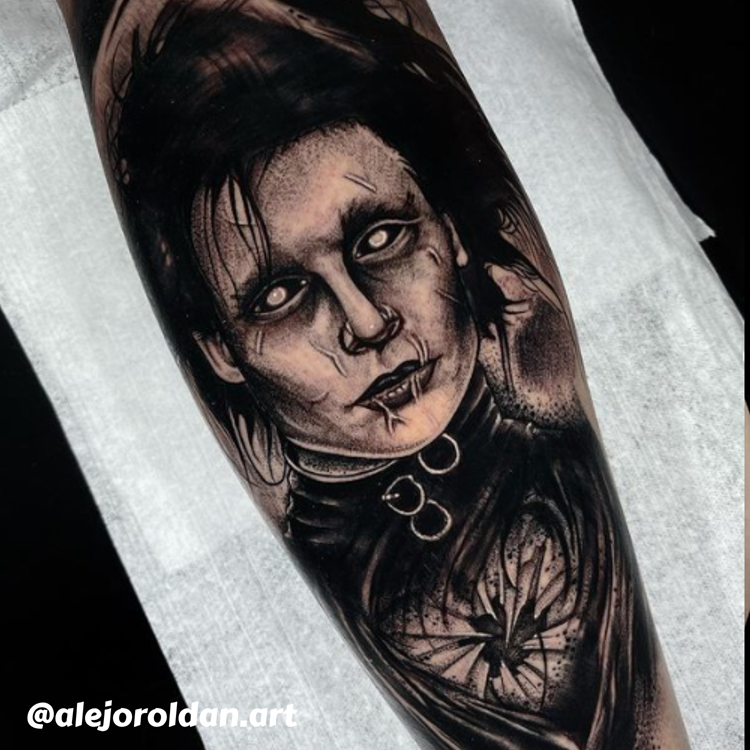
- Dark Art or Horror tattoos showcase surreal and supernatural themes, emphasizing high contrast and surreal composition.
- They serve as a means for the wearer to express complex, dark emotions without using words.
- Many artists draw inspiration from classic horror films and figures like HR Giger.
- Common elements in these tattoos include demons, witches, skulls, bats, and symbolic alchemical sigils.
- The color palette is predominantly black and gray, though some artists incorporate color, and the composition often follows the organic shape of the body part.
- Paul Booth, a prominent figure in Dark Art tattooing, pioneered the style and gained popularity for his freestyle approach, tattooing directly onto the skin without an outline.
- Dark Art tattoos may not appeal to everyone, and their creation often stems from a place of catharsis for both artists and enthusiasts.
- Paul Booth, in particular, expressed the intimate connection between the darkness in his art and his mental state, using the creative process to channel aggression.
- The tattoos allow wearers to communicate their emotions to the world without words, but this openness comes with the challenge of no longer being able to conceal those emotions.
- Some clients seek extreme designs, such as depictions of violence, reflecting a desire to embrace the unconventional and defy societal norms.
- The decision to wear a Dark Art tattoo is personal, with motivations ranging from a love for horror to a means of self-expression.
- Artists like Paul Acker cater to horror fans worldwide, creating vibrant, hyper-realistic portraits of iconic slasher film characters.

Ultimately, choosing a Dark Art tattoo is an individual decision, and its impact on others may be more striking compared to conventional tattoo styles.