Baroque tattoo style draws inspiration from the elaborate and highly detailed art, architecture, and design of the Baroque period, which flourished in Europe during the 17th and early 18th centuries (roughly 1600-1750). This style is known for its dramatic expressiveness, intricate ornamentation, and a focus on movement and grandeur, all qualities that translate into unique, visually complex tattoo designs.
- Historical Background of the Baroque Period
The Baroque period began in Italy around the 1600s and spread across Europe. Emerging in a time of religious and political upheaval, Baroque art was initially fostered by the Catholic Church as part of the Counter-Reformation—a campaign to combat the spread of Protestantism by invoking an emotional response in art that would inspire faith. Baroque art often depicted religious subjects with heightened drama, deep contrasts, and powerful emotions.
Over time, the style evolved beyond religious art, finding its way into secular themes and influencing architecture, music, and literature. It is characterized by grandeur, dynamism, and intense realism, with a strong use of light and shadow (chiaroscuro) to enhance the mood and depth of the scene. Baroque art and architecture feature highly ornate details, swirling patterns, volutes, and a sense of movement meant to captivate and inspire awe.
- Features of Baroque Art
Key elements of Baroque design that influence tattoos today include:
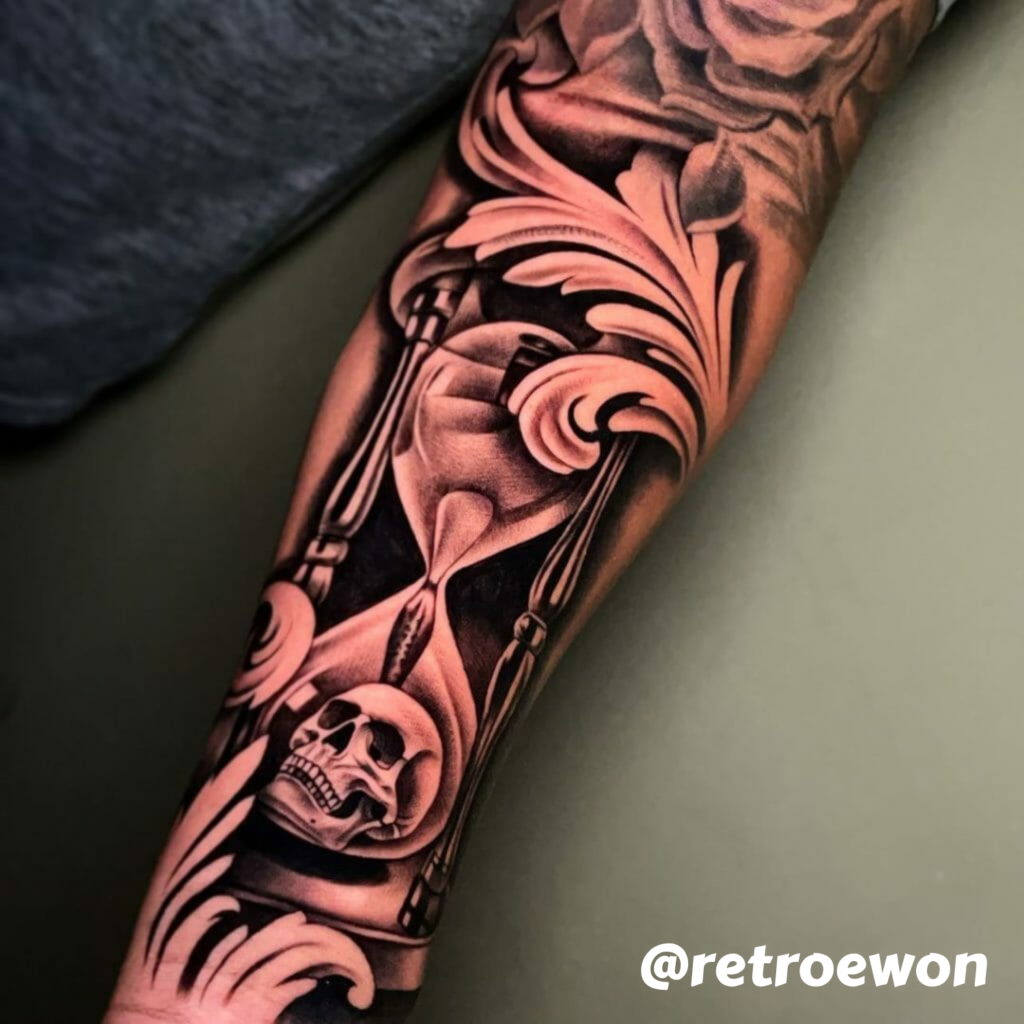
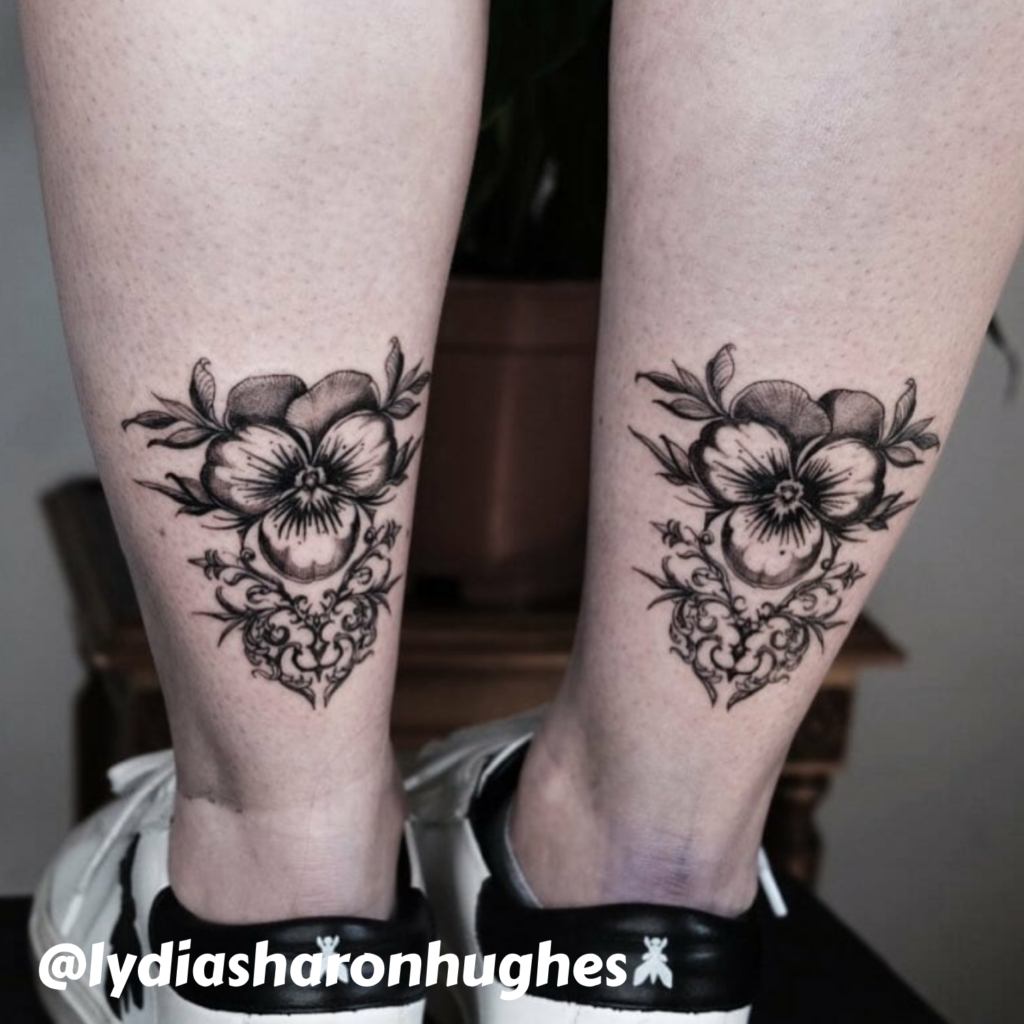
Ornamental Flourishes: Elaborate, symmetrical patterns with scrolls, volutes, and foliage-like curves are common. These decorations can be seen in architecture and interior design of the time and have become an essential feature of Baroque tattoos.
Chiaroscuro: A technique of using strong contrasts between light and dark to create a sense of volume and three-dimensionality, originally popularized by artists like Caravaggio. In tattoos, this is translated into high-contrast shading that adds depth and dimension.
Movement and Emotion: Figures in Baroque art are often portrayed with dramatic poses, expressive faces, and a sense of fluid motion, capturing moments of intense emotion or action.
Symbolism: Baroque art is laden with symbolism, often referencing themes like life, death, faith, and mythology. Elements like angels, saints, skulls, and mythological figures are prevalent and can be adapted into tattoos to convey deeper meanings.- Evolution of Baroque Style in Tattoo Art
The Baroque tattoo style became popular in the late 20th and early 21st centuries, as tattoo artists began to push the boundaries of traditional tattoo art by blending fine art styles with body art. This movement towards hyper-realism and classical art styles has attracted clients looking for tattoos that are not only aesthetically intricate but also rooted in historical and artistic significance.

Baroque tattoos generally involve larger pieces, as the complexity and detail of the style require sufficient space to capture the ornate elements accurately. These designs are often placed on areas like the back, chest, or sleeves, where artists have enough canvas to incorporate details without losing clarity.
- Common Baroque Tattoo Themes and Motifs Cherubs and Angels: Figures like cherubs, angels, and other celestial beings symbolize spirituality and divine protection, reflecting Baroque religious art.
Skulls and Memento Mori: In line with the Baroque focus on life’s transient nature, skulls, hourglasses, and other symbols of mortality (memento mori) are often incorporated, serving as reminders of the fleeting nature of life.
Classical Portraiture: Renaissance and Baroque portraits, featuring stoic expressions and finely detailed shading, are adapted into tattoo form with a focus on realism and chiaroscuro.
Architectural and Decorative Elements: Baroque architecture, such as cathedral facades, grand staircases, and ornate pillars, often serve as backgrounds or frames for tattoo designs.
Mythological Figures: Gods, goddesses, and other mythological characters often appear in Baroque tattoos, reflecting the allegorical themes of the period. - Influential Artists and Techniques
Baroque tattoo artists often study classical painters like Caravaggio, Peter Paul Rubens, and Gian Lorenzo Bernini to understand the use of shadow, drama, and composition in their work. The shading techniques and fine-line detailing found in these artworks provide a foundation for Baroque tattooing, allowing artists to create pieces that resemble classical engravings or oil paintings.
In terms of technique, these tattoos require precise shading, stippling, and line work to achieve the level of detail that brings Baroque artwork to life on skin. Modern tattoo machines and needles allow artists to recreate the intricate details of Baroque art, including the soft transitions of chiaroscuro, which would have been challenging in earlier tattooing styles.
- Modern Adaptations and Popularity
Today, Baroque tattoos are often paired with other styles to create unique and contemporary interpretations. For example, a Baroque tattoo might incorporate elements of realism, combining classical portraiture with modern tattooing techniques to achieve a hyper-realistic effect. Other adaptations involve pairing Baroque elements with geometric designs or abstract components, merging the historical with the modern to produce a tattoo that feels both timeless and contemporary.
The popularity of Baroque tattoos reflects a broader trend in tattoo culture toward complex, art-inspired designs that challenge traditional tattoo styles. These pieces are favored by tattoo enthusiasts who appreciate art history and wish to embody its grandeur and emotional depth through body art.