Introduction: Blackwork tattoos, characterized by the exclusive use of black ink, have gained significant popularity in recent years. In this article, we delve into the historical roots, contemporary styles, and notable artists who have mastered the art of Blackwork tattoos.
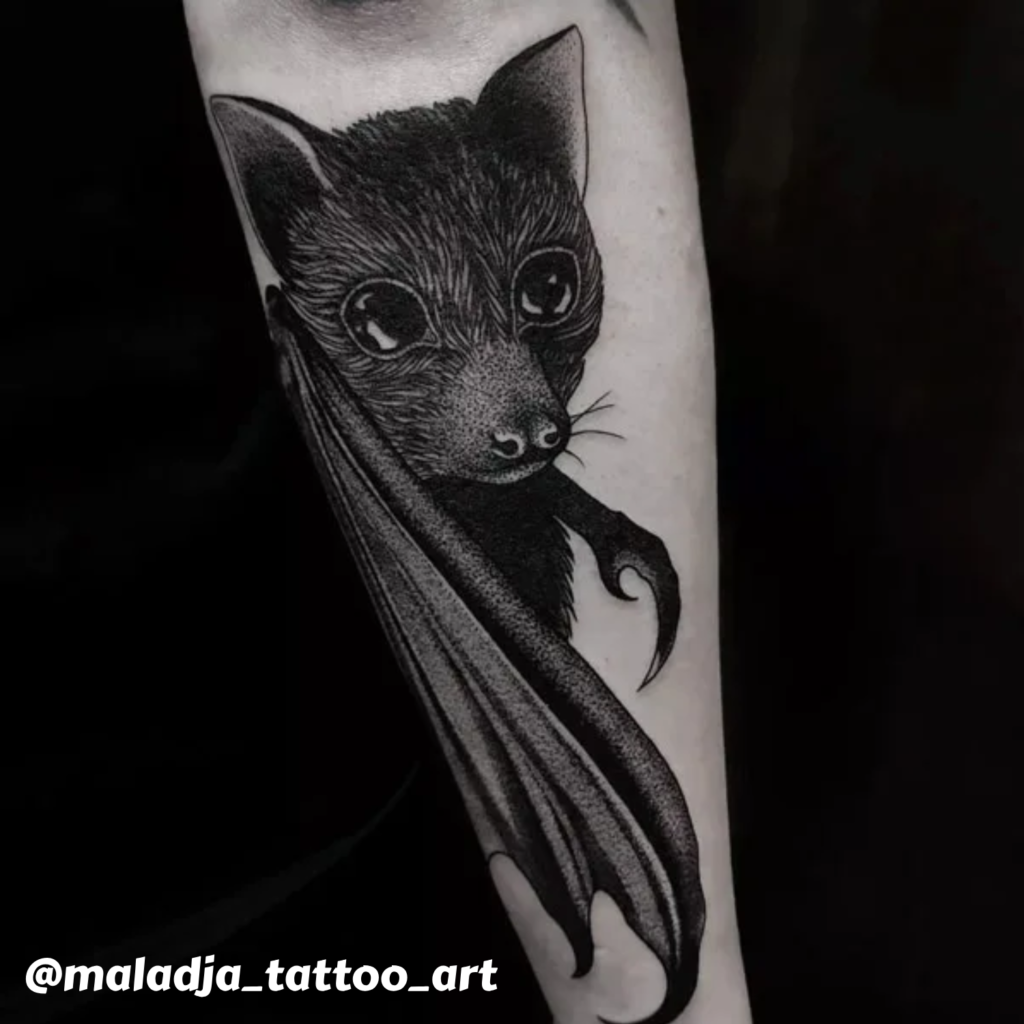
Summary: The Blackwork style encompasses various elements, with tribal tattoos playing a significant role. However, it extends beyond tribal designs to include Dark Art, illustrative and graphic art, etching, engraving styles, lettering, and calligraphic scripts—all unified by the use of solely black ink. Originating from ancient tribal tattooing, particularly influenced by Polynesian patterns, Blackwork has evolved into a diverse and timeless form of body art.
Styles of Blackwork Tattoos: While tribal tattoos dominate Blackwork, diverse aesthetics have been incorporated over time. Dark Art, illustrative and graphic elements, etching, engraving styles, and lettering fall under the Blackwork umbrella. Thick outlines, bold black areas, and intentional negative space define this style.

Origins of Blackwork Tattoos: Ancient tribal tattooing, especially Polynesian pieces, serves as the foundation for Blackwork. Polynesian tattoos, characterized by abstract patterns in black ink, were deeply symbolic and often reflected the wearer’s life story or affiliations. The influence of Spanish Blackwork embroidery and historical artistic techniques, such as Henna application, also contributed to shaping Blackwork.
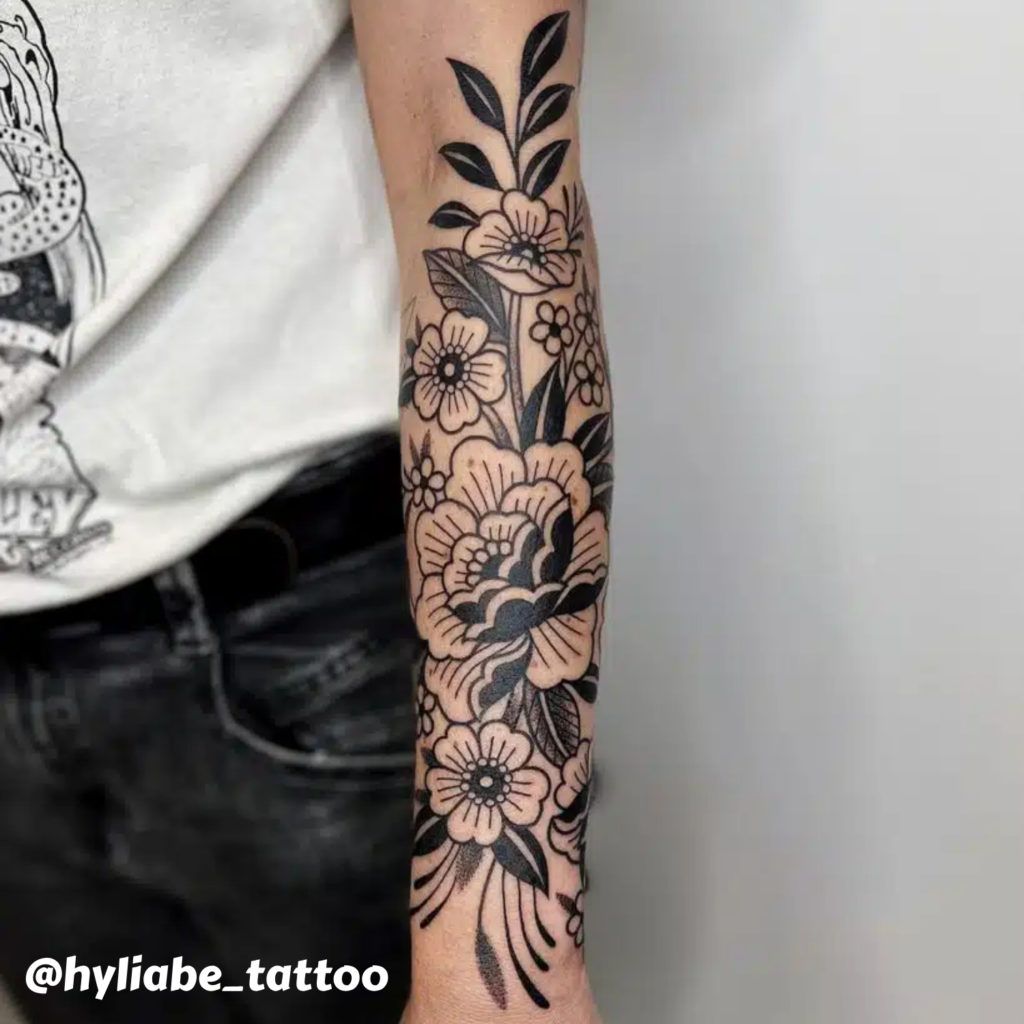
Inspirations from Folk Arts: Various folk arts, like Henna, contribute to the diverse inspirations within Blackwork. Despite the seeming disconnect, historical techniques and mediums inform modern styles. Artists drawing inspiration from Dark Art often incorporate esoteric elements, alchemy, and arcane hermetic iconography. Sacred geometry, rooted in ancient philosophies, is another popular Blackwork style, featuring lines, shapes, and dots influenced by Buddhist, Hindu, and sigil symbology.
Adaptability and Timelessness: The versatility of Blackwork stems from its clarity in design, the striking contrast of black ink on any skin color, and its exceptional aging qualities. With influences from ancient times, Blackwork remains a tried-and-true form of tattooing, accommodating a wide range of designs and concepts.
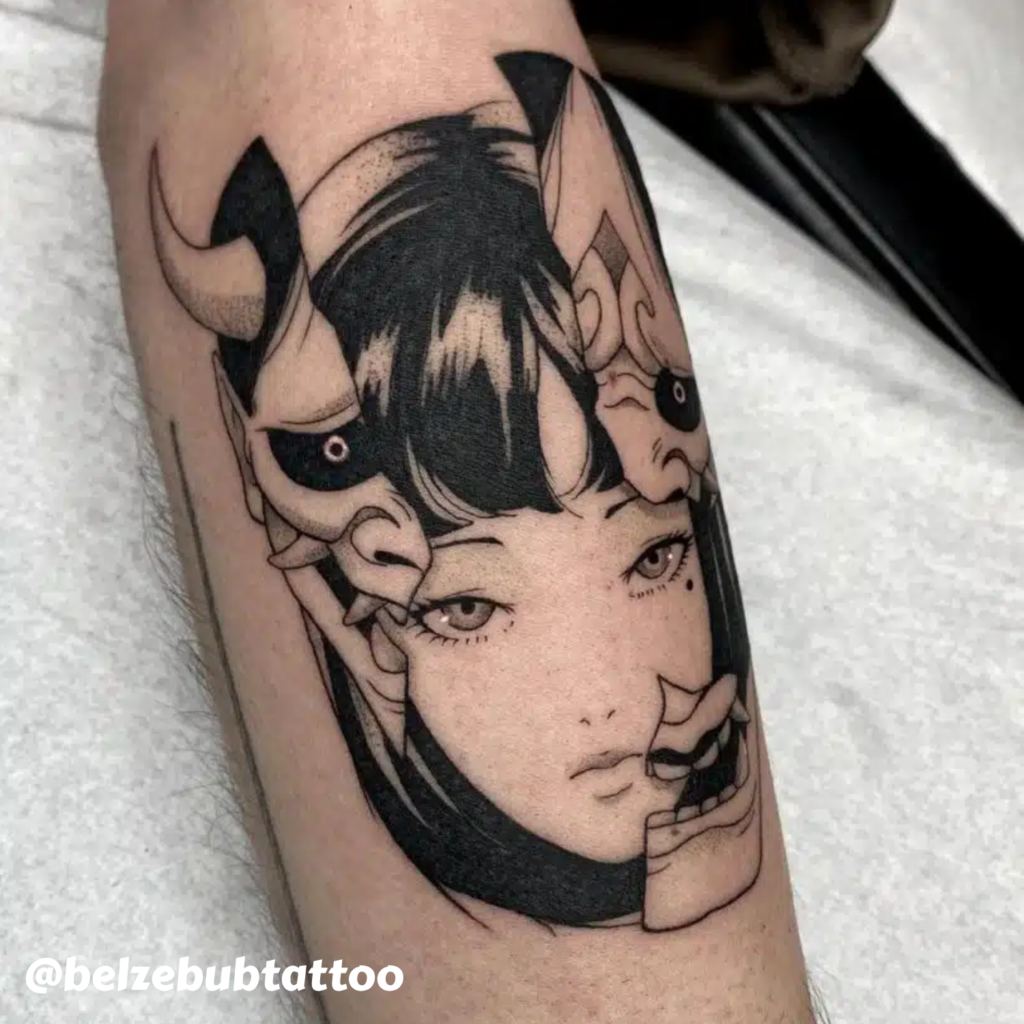
Conclusion: Blackwork tattoos, with their origins deeply rooted in ancient tribal traditions, have evolved into a versatile and enduring art form. The amalgamation of various styles and influences has resulted in a rich tapestry of body art that continues to captivate and inspire.