Cultural tattoos are some of the oldest and most meaningful forms of body art in the world. Rooted in heritage, ancestry, and sacred tradition, this style connects the present with the past. It reflects the unique identity, beliefs, and stories of a people — passed down through generations and carried on the skin as living history.
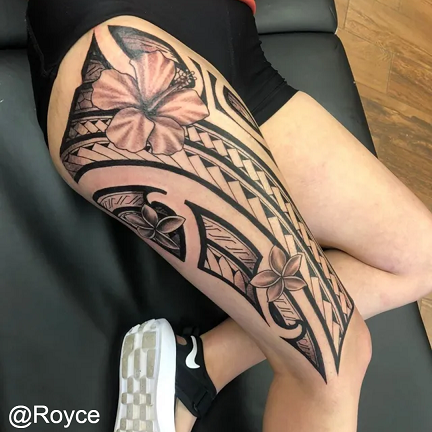
Unlike modern or trend-driven tattoo styles, cultural tattoos are deeply symbolic. Each shape, line, and motif holds significance. These tattoos may mark rites of passage, social status, protection, spirituality, or tribal lineage. In many cultures, the act of tattooing itself is ceremonial and sacred, carried out with great care and purpose.
Cultural tattoo styles vary widely across the globe. Polynesian tattoos feature bold black patterns representing nature, family, and divine energy. Maori moko facial tattoos embody personal identity and ancestral strength. Native American designs often include animal spirits, tribal symbols, and cosmological patterns. In Africa, scarification and tattooing have long been used to communicate tribal affiliation, status, and protection.
Southeast Asian traditions, like Thai Sak Yant, combine ancient geometry with Buddhist prayers, invoking spiritual guidance and protection. In Japan, traditional irezumi tells mythic stories through bold imagery, dragons, and sacred flowers — each one steeped in layers of meaning.
This style is about more than just visuals. It is about respect. Cultural tattooing requires understanding, sensitivity, and often permission. Artists who specialize in this style take time to study the history, symbolism, and spiritual meanings behind the work. When done properly, these tattoos become more than ink — they become a sacred bond between the wearer and their lineage.
Some clients choose cultural tattoos to reconnect with their roots. Others may carry the symbols of their ancestors as a form of remembrance or empowerment. Even those outside the tradition must approach these tattoos with awareness and honor, avoiding appropriation and working with artists who understand the cultural weight behind the design.
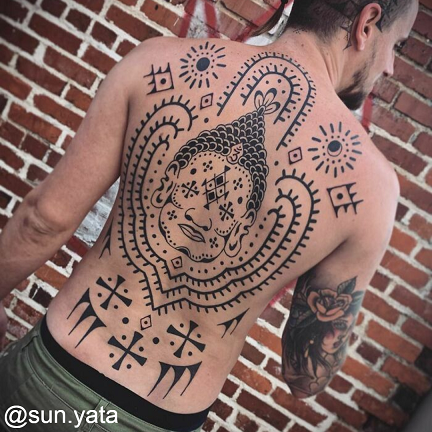
Cultural tattoos are often created using traditional methods, such as hand-tapping, stick and poke, or machine-free techniques. These methods add to the authenticity and energy of the process, bringing ritual and history into the experience of tattooing.
For those who walk with heritage in their heart, cultural tattoos are a way to speak without words. They represent identity, respect, protection, and connection. They are timeless expressions of who we are and where we come from.