The Māori tattoo, known as “moko”, is one of the most iconic and culturally significant tattoo styles in the world. It originates from the indigenous Māori people of New Zealand, whose rich history and cultural practices span over a thousand years. The art of moko involves intricate designs that are not only aesthetically striking but deeply symbolic, often telling the personal stories of those who wear them.
Early History and Cultural Significance
The Māori are believed to have arrived in New Zealand from Eastern Polynesia around the 13th century, though their exact origins remain a subject of debate among historians. Upon settling in New Zealand, the Māori developed a complex and sophisticated culture, and tattoos (moko) became an essential part of this.
Moko was not simply decorative; it was an important part of Māori identity, used to mark key milestones in life, such as coming of age, marriage, and social rank. Each moko design was unique to the individual and often reflected their genealogy (whakapapa), achievements, and status within the community. The moko was considered a form of “taonga” (treasure) and was seen as a representation of both personal and collective Māori heritage.
Traditional Moko Art
The traditional moko was applied using chisels made from bone, stone, or later, metal. The designs were carved into the skin rather than inked, which left a raised, scar-like texture. This process, known as “tā moko”, was painful and required considerable skill from the tattooist, called the “tohunga ta moko” (master tattoo artist). These artists were highly respected members of Māori society.
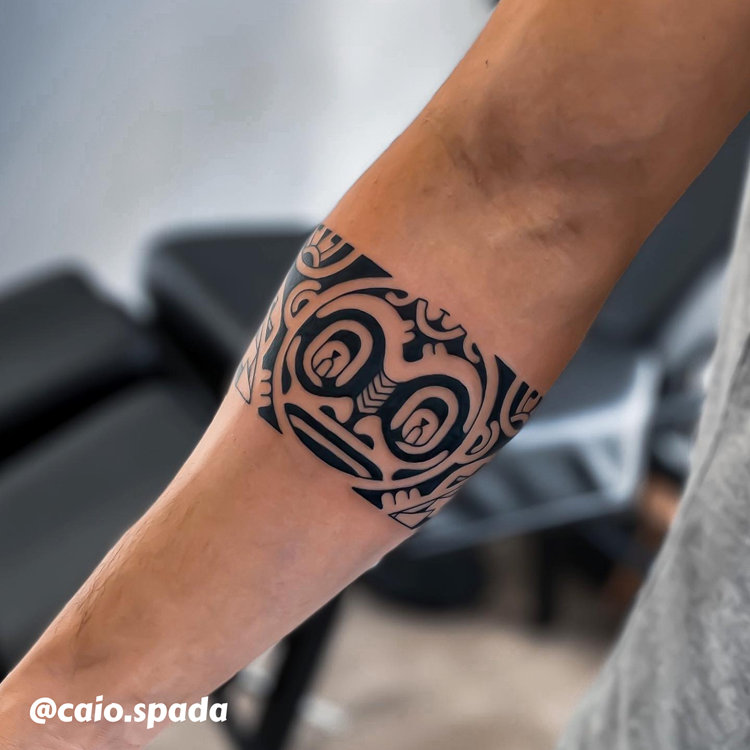
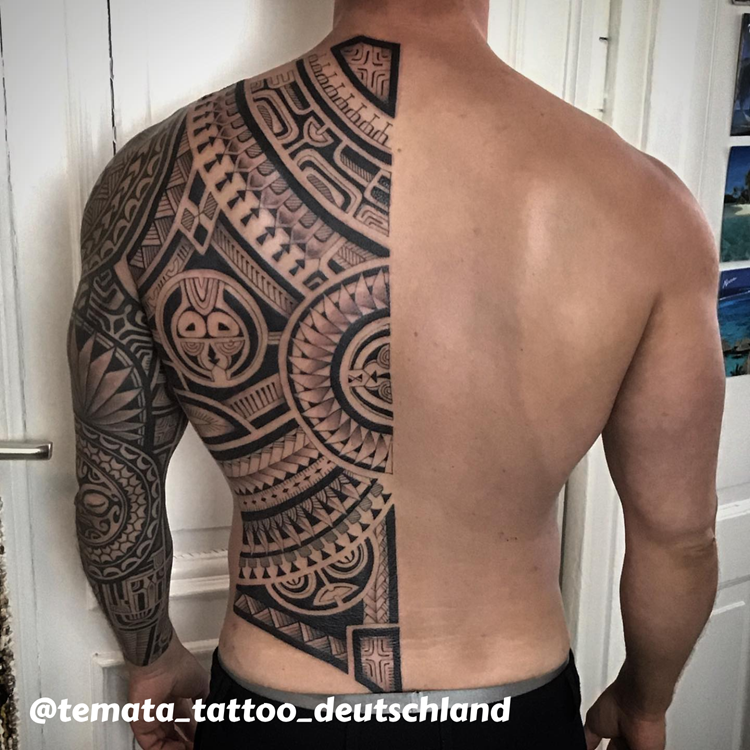
Māori tattoo designs were often intricate and complex, with spirals, koru (a symbol resembling a fern frond, representing new life and growth), and chevron patterns being common motifs. These shapes were deeply symbolic, each one carrying specific meanings. For example:
- Spirals: Represented the journey of life, growth, and transition, often linked to ancestral spirits.
- Koru: Represented renewal, life, and the connection between the individual and the natural world.
- Manaia: A bird-like figure that protected the wearer from evil and was believed to have spiritual significance.
- Tiki: A figure representing a human ancestor, often carved into the design as a symbol of protection and heritage.
The designs were applied to specific parts of the body, each of which had its own meaning:
- Face: The most sacred part of the moko, particularly for men. It was used to show high status and rank within the tribe. Women also had tattoos on their faces, though they were typically less extensive than those of men. Women’s facial moko often centered around the lips and chin.
- Back, arms, and legs: These areas were commonly tattooed to reflect the wearer’s personal accomplishments or social standing.

Social and Political Role of Moko
Moko was not just a personal adornment but a public statement of identity and social structure. High-ranking individuals, such as chiefs (rangatira), would have extensive moko that indicated their leadership roles and family heritage. Chiefs often wore moko that extended from their faces to their necks, and in some cases, their entire bodies. The design and placement of tattoos were meant to communicate not only the wearer’s personal lineage but also their social role and tribal allegiance.
In Māori society, moko had a spiritual significance as well. The designs were considered a medium through which spiritual forces were channeled. The wearing of moko was believed to connect the individual with their ancestors, offering protection and guidance. Some moko designs also symbolized the wearer’s relationship with the divine, with specific patterns tied to Māori deities.
The Decline and Revival of Moko
By the late 19th century, the tradition of moko began to decline, particularly after European colonization. The Māori faced intense pressure to conform to Western norms, and traditional practices were suppressed. Christian missionaries condemned the art as barbaric, and European settlers often viewed moko as a symbol of an “uncivilized” society. In addition, diseases brought by Europeans significantly reduced the Māori population, leading to the loss of cultural knowledge and traditions, including tattooing.
The moko tradition, however, never fully disappeared. In the 20th century, especially in the 1970s and 1980s, there was a resurgence of interest in Māori culture and language, known as the Māori Renaissance. This movement saw a revival of traditional tattooing, with younger generations reclaiming their ancestral art forms as a symbol of cultural pride and identity. Modern Māori tattoo artists often fuse traditional moko elements with contemporary styles, making moko both a connection to the past and a part of present-day Māori identity.
Modern Māori Tattooing
Today, moko continues to be a living and evolving art form. Modern practitioners of tā moko are dedicated to learning the traditional techniques, often through mentorship from elders and tohunga ta moko. The use of modern tattoo machines has replaced traditional chisels, but the designs and cultural significance remain deeply rooted in Māori traditions.
Māori tattoos are now recognized worldwide and are worn by both Māori and non-Māori people. For Māori, however, moko retains its cultural weight, especially for those who choose to wear it as a mark of personal identity, spiritual connection, and ancestral pride.
Conclusion
The Māori tattoo style is much more than a form of body art; it is a visual representation of history, identity, and spiritual connection. From its early roots in the traditions of the Māori people to its role as a symbol of cultural revival in the modern era, moko has remained a powerful and significant part of Māori heritage. It serves as a testament to the resilience of Māori culture and its ability to adapt while preserving its deep connection to the past.