The Marvel tattoo style refers to tattoos inspired by the characters, comics, and universe of Marvel Comics, one of the largest and most influential comic book publishers in the world. The history of Marvel tattoos is intertwined with the rise in popularity of comic book culture, superhero fandom, and tattoo artistry. Here’s a detailed background on this unique tattoo style.

- The Birth of Marvel Comics (1939–1960s)
Marvel Comics traces its roots back to 1939 when it was originally founded as Timely Publications by publisher Martin Goodman. The company would later evolve into Marvel Comics in the early 1960s, spearheaded by comic book legends like Stan Lee, Jack Kirby, and Steve Ditko. This era saw the introduction of iconic characters such as Spider-Man, The Fantastic Four, Iron Man, Thor, Hulk, and Captain America, many of whom would go on to inspire a massive fandom around the globe.
- Key Marvel Characters: These superheroes had distinct appearances, personalities, and powers. Their compelling stories often centered on themes like identity, moral dilemmas, and battling against greater-than-life adversaries. Their visual impact, including colorful costumes and memorable symbols (like Spider-Man’s web or Thor’s hammer), made them ideal candidates for tattoo designs.
- The Rise of Comic Book Fandom and Tattoos (1960s–1990s)
Though tattoos have been part of human culture for centuries, the 1960s–1990s witnessed a growing connection between pop culture and tattoo artistry. The increasing popularity of comic books, especially after the golden and silver age of Marvel, led to an expanded interest in expressing one’s fandom through tattoos.
- The Comic Book Influence: During this period, Marvel characters began appearing on clothing, posters, merchandise, and eventually tattoos. Fans would get tattoos of their favorite superheroes or villains as a way to express loyalty to certain characters or storylines. The art style for these tattoos was often inspired by the bold lines and vivid colors of comic book illustrations.
- Mainstream Acceptance: Tattoos, once seen as taboo or part of subcultures, gained wider acceptance in the 1990s and early 2000s. The public’s fascination with Marvel comics helped solidify tattoos as an art form, with comic book characters being some of the most popular designs.
- Marvel Tattoos and the Superhero Movie Boom (2000s–2010s)
The 2000s brought a Hollywood superhero movie boom, with X-Men (2000), Spider-Man (2002), and the Marvel Cinematic Universe (MCU) starting in 2008 with Iron Man. These movies attracted a whole new generation of fans and revitalized the superhero genre, making Marvel characters even more iconic and globally recognized. As a result, the popularity of Marvel tattoos surged as fans of the films began getting tattoos to celebrate their connection to these larger-than-life characters.
- MCU Influence: The MCU’s success, particularly starting with The Avengers (2012), cemented Marvel as a cultural juggernaut. Tattoos became a form of tribute, especially with designs related to specific movies (e.g., the Avengers logo, Captain America’s shield, Thor’s hammer, or the Infinity Gauntlet).
- Evolving Tattoo Styles: During this era, tattoos became more complex, with realistic portraits, watercolor tattoos, neo-traditional styles, and blackwork all being used to bring Marvel characters to life. Artists used techniques that allowed the tattoos to incorporate more detail, shading, and colors, often recreating scenes or characters from the comics or films.
- Popular Marvel Tattoo Themes
The Marvel tattoo style encompasses a wide range of designs and themes. Below are some popular approaches:
a. Superhero Portraits and Character Tattoos
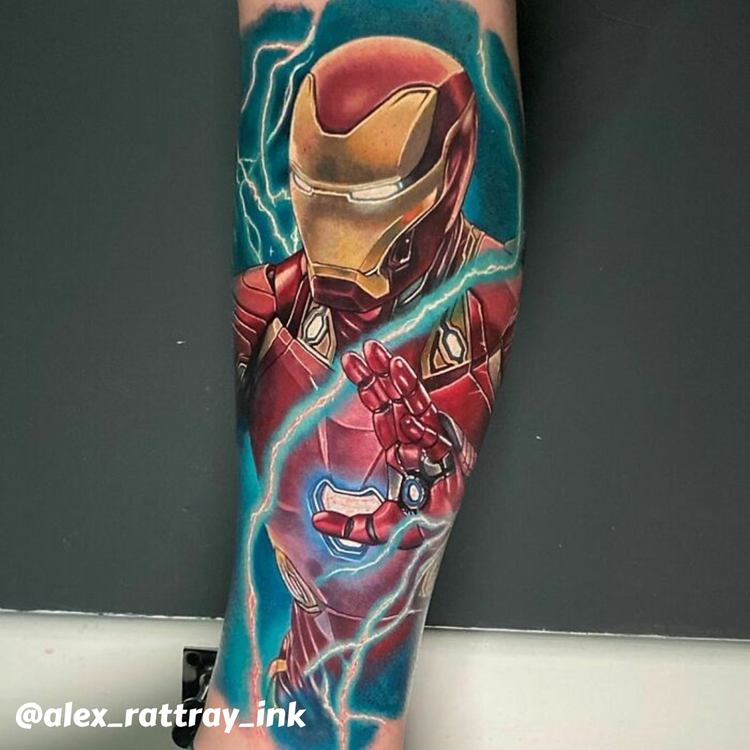
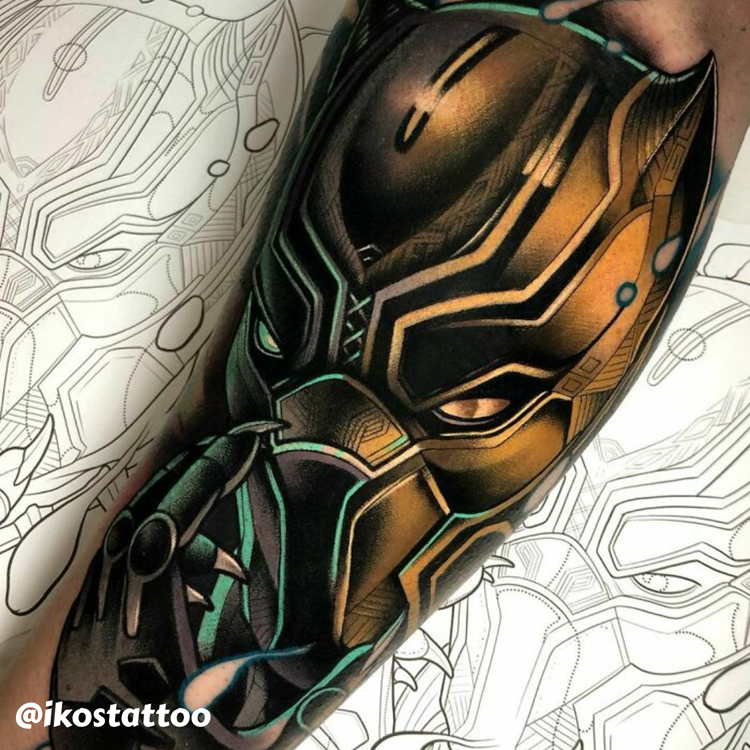
One of the most common styles is the portrait tattoo of Marvel superheroes and villains. Fans might choose their favorite hero, such as Spider-Man, Iron Man, or Wolverine, in a highly detailed, realistic portrait or in a more abstract, comic-inspired design.
- Realism: Artists use detailed shading, lifelike coloring, and techniques to capture the essence of characters.
- Pop Art/Comic Book Style: These tattoos emulate the bold, colorful aesthetics of comic books, including dotted effects (similar to Ben-Day dots) that give them a vintage comic book look. b. Symbols and Logos
Marvel characters’ logos and symbols, such as Spider-Man’s web, Captain America’s shield, Thor’s hammer (Mjolnir), or the X-Men emblem, are iconic and often used for minimalistic tattoos. c. Team Tattoos
Group tattoos celebrating teams such as The Avengers, X-Men, or the Fantastic Four are popular among Marvel fans. These tattoos might feature multiple characters from a specific team, showcasing their unity and strength. d. Story Elements
Some fans choose to capture iconic scenes from Marvel comics or films. These may include Spider-Man swinging through the city, Thor battling villains, or the moment when Iron Man sacrifices himself in Avengers: Endgame. e. Villains
Tattoos of Marvel villains, such as Loki, Thanos, or Magneto, reflect the complexity and depth of these characters, often symbolizing the struggle between good and evil. f. Abstract Designs
Some Marvel tattoos explore creative reinterpretations of characters or themes, such as watercolor tattoos, where splashes of color create abstract representations of Marvel figures, or tattoos that blend a pop culture influence with traditional tattoo motifs.
- Marvel Tattoos in Modern Culture (2010s–Present)
As Marvel continues to dominate pop culture, its tattoo influence grows. The tattoos inspired by Marvel comics and films are not just for comic fans anymore—they’ve become part of a larger cultural movement, with Marvel characters often being seen as modern myths. This trend has led to an increasing number of tattoo artists specializing in comic book-inspired work.
- Celebrity Influence: Many celebrities, including actors and musicians, have been seen sporting Marvel-inspired tattoos. For instance, Chris Hemsworth (Thor) and Robert Downey Jr. (Iron Man) have both been associated with Marvel tattoos, furthering the connection between tattoo culture and superhero fandom.
- Incorporating Diversity: As Marvel has become more diverse, with films and comics introducing new characters (e.g., Black Panther, Ms. Marvel, and Shang-Chi), fans are getting tattoos celebrating these characters as well. Tattoos now often reflect the diversity within the Marvel Universe, with characters from different ethnicities, genders, and backgrounds being represented in designs.
Conclusion
The Marvel tattoo style is an ever-evolving form of artistic expression that blends comic book culture, superhero fandom, and the rich world of tattoo artistry. From its roots in comic book culture in the mid-20th century to its explosive growth during the Marvel Cinematic Universe era, Marvel tattoos have become a unique way for fans to express their love for the characters, stories, and the wider universe. As both the popularity of Marvel characters and tattoo artistry continue to evolve, so too will the creativity and diversity of Marvel-themed tattoos.